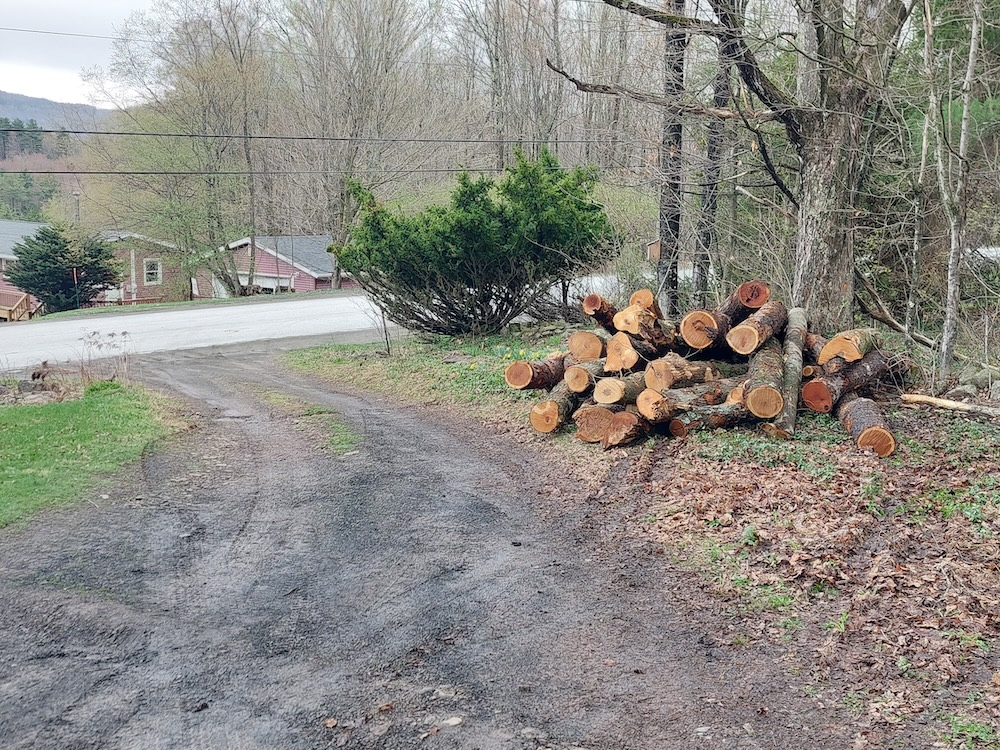
Chainsaw work and tree felling can be fun, but also extremely dangerous. It is good to have a plan when cutting, and prepare for what you will do when things may go wrong.
Over the past 5 years I have been a part of a team that has done around 500 acres of timber stand improvement and site preparation practices. Earlier this week, I was helping a family friend implement a timber stand improvement practice on 10 acres of their property that is enrolled in the 480a forest tax law, and unfortunately I broke my foot in the process, which is going to keep me on crutches for 1-2 months. A 10-inch diameter at breast height (DBH) red maple fell right on my foot. It is important when tree felling or operating a chainsaw to always be aware of the potential danger associated, and to not become complacent. If I had been a bit more diligent, it is fair to say that the risk of me being injured would have been reduced significantly!
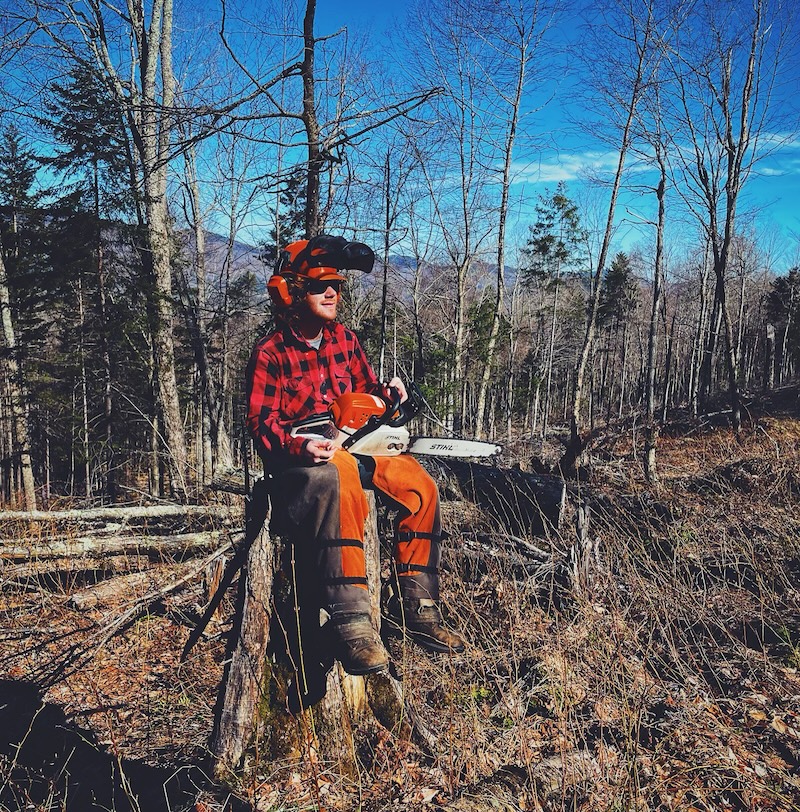
PPE
Most importantly it is essential to always wear proper personal protective equipment (PPE) for tree felling (i.e., hard hat, eye protection, chainsaw chaps, hearing protection, and steel toe boots). While PPE may not eliminate all risk, it lowers the risk considerably. After being looked at by doctors, they believe steel toe boots helped to mitigate my injury immensely, as it spread the force of the impact from the tree landing on my foot throughout, instead of all of the force crushing one area. PPE does work and should be inspected between uses so it will not fail on you when you need it the most.
Slow is Fast, Fast is Slow
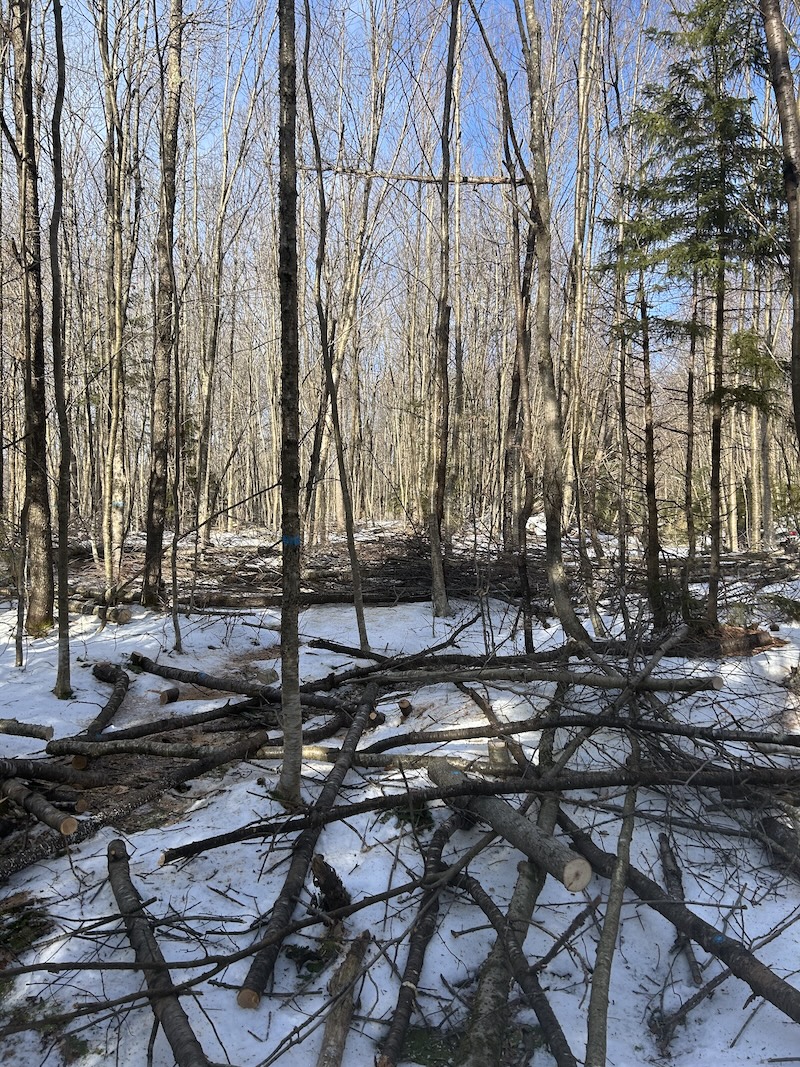
By taking your time cutting trees methodically and with a sound plan, you actually will be cutting faster than if you were rushing with a half-baked plan. An example of this is avoiding hang-ups. Hang-ups can be caused by poor aim or not assessing lean properly before starting your cut. A tree that is hanging may take 15-30+ extra minutes to be able to get to the ground, along with the added danger they pose. Taking an extra 5 minutes before starting your face cut on the tree can allow you to find options to drop the tree cleanly, or even save you from pinching your chainsaw’s bar.
When felling trees, remember to use the “Five Step Felling Plan”. The first step is to identify the height, hazards, and lean of the tree. By identifying these crucial aspects of the cut, you can take action to avoid trees falling in places where you really don’t want them to and also avoid pinching your bar. By knowing these factors, you can take action to manipulate the direction to make the cut both easier and safer. The second step is to prepare the necessary equipment to make the cut. This includes having all PPE equipped, and having the tools needed and ready to fell the tree. The third step is to establish safety perimeters and escape paths. Make sure no one else is within 2 tree heights away from you, and know your escape route once the tree begins to go. Your escape route should be clear of obstacles and debris that may get in your way. The fourth step is making your notch. A notch depth should be 30% of the tree’s diameter, while your hinge should end up being 10% of the diameter thick. The notch should look clean. The final step is to make your back cut, create your hinge, and utilize your escape path. A good hinge is essential for keeping control of the tree. Following these steps will help to increase safety while tree felling. Remember that taking your time to use these steps is important, cutting slow is cutting fast! By making less mistakes and being methodical in your felling plan, you will make fewer mistakes and run into fewer problems that will bog you down.
Never Cut Alone
Another way to keep safe while felling is to never cut trees alone. It is good to have friends or other coworkers around and aware in case something does go wrong (with an accessible first aid kit). Luckily in my case, It was seconds after my injury that the people I was with noticed me, were able to assess my injuries, and get me loaded into the UTV headed out of the woods.
It is always good to respect the danger when cutting trees. While it is a fun and rewarding way to connect with your land while obtaining firewood or timber, care should be taken to ensure you remain safe. Always have a plan when cutting, and prepare for what you will do when things may go wrong.