“Let me see,” she said. “There’s something there. See that blurry spot?” As we clicked through the photos, the spot danced between the trees. One of the more in focus photos showed a flying squirrel on a tree trunk.
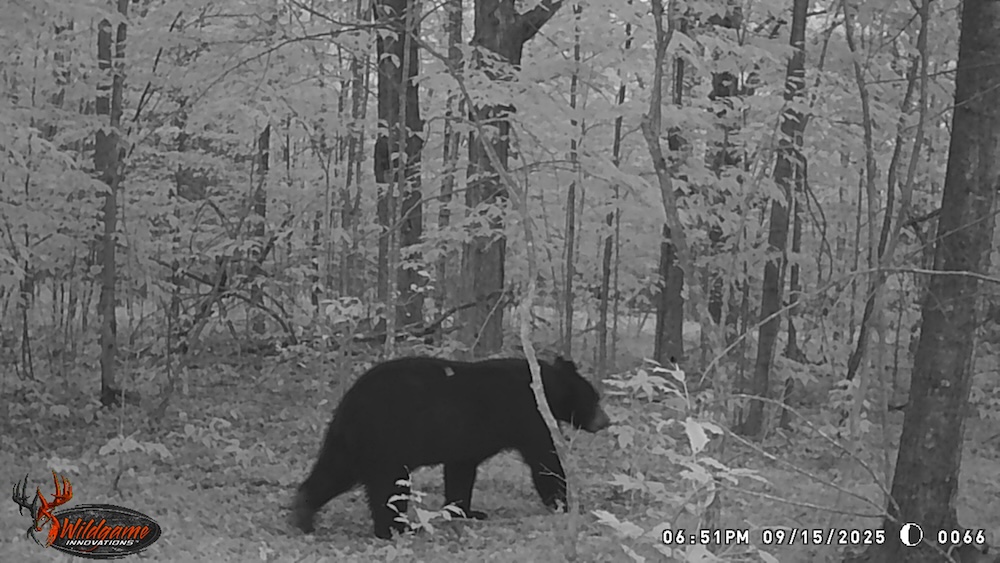
One time I was reviewing some trail camera photos and complaining to my wife about all the nighttime shots that were taken for no apparent reason. There were no tree branches or goldenrod blowing in front of the camera. Just a clear path through dark, still, open woods. “Let me see,” she said. “There’s something there. See that blurry spot?” As we clicked through the photos, the spot danced between the trees. One of the more in focus photos showed a flying squirrel on a tree trunk.
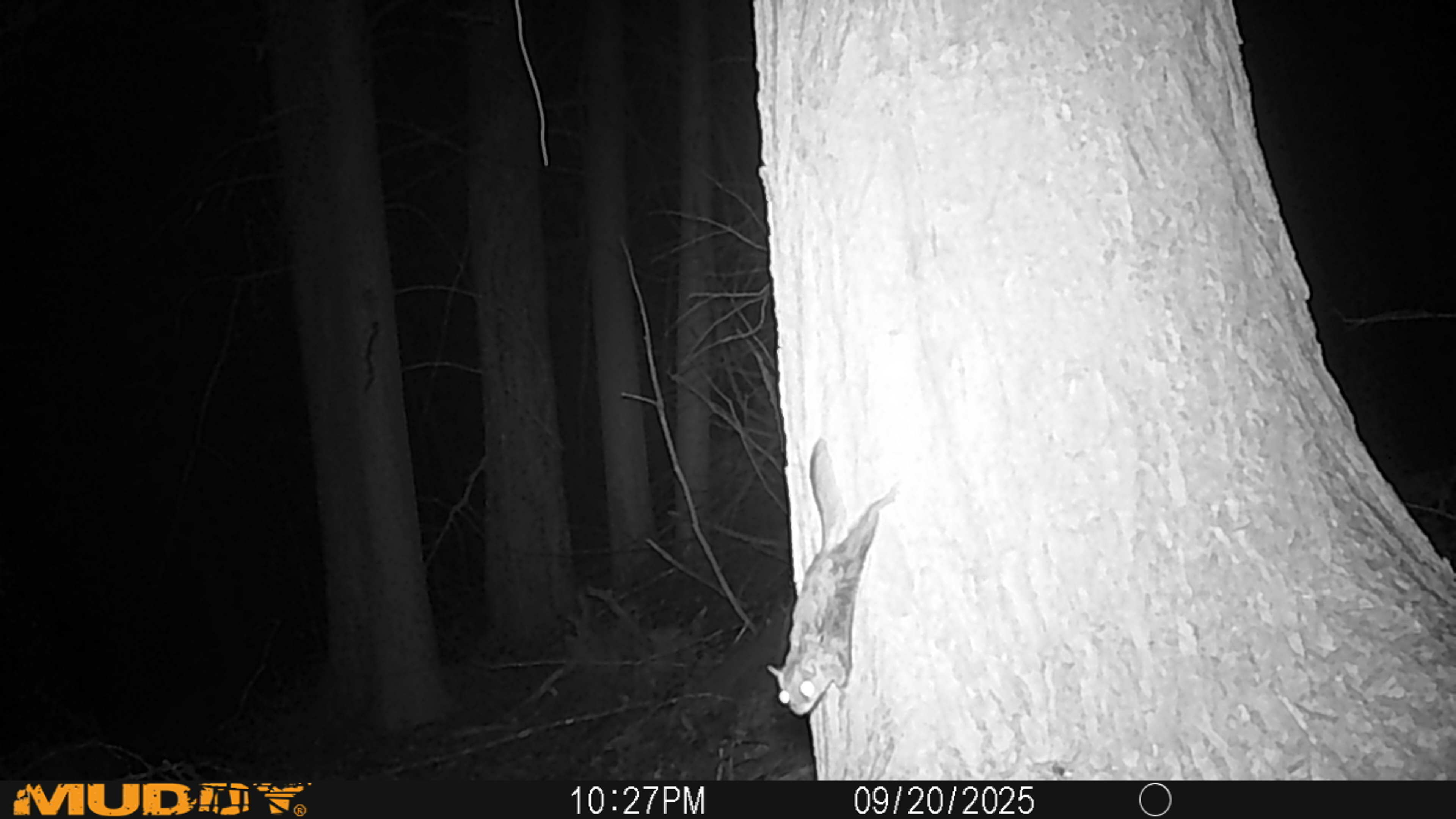
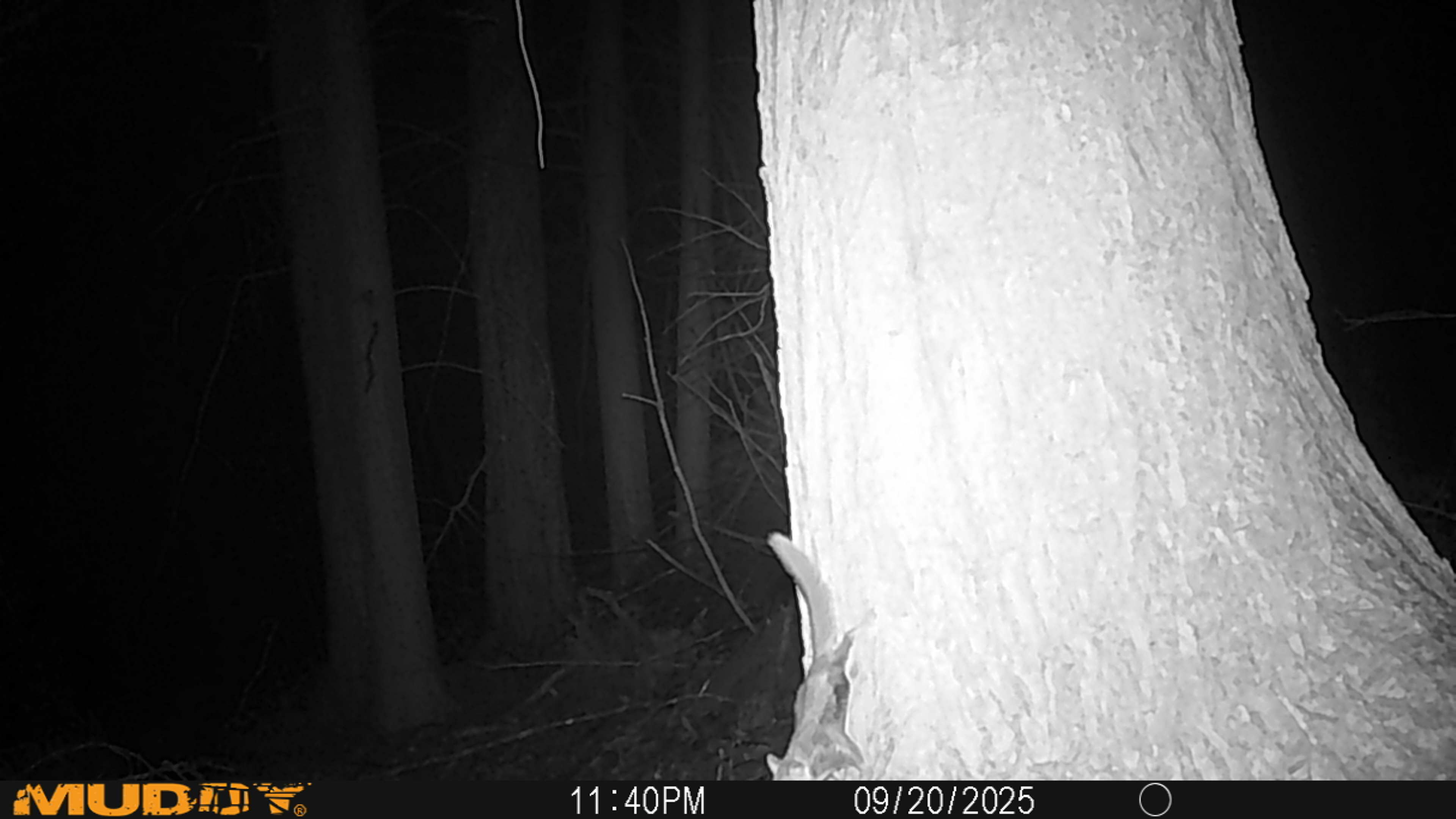
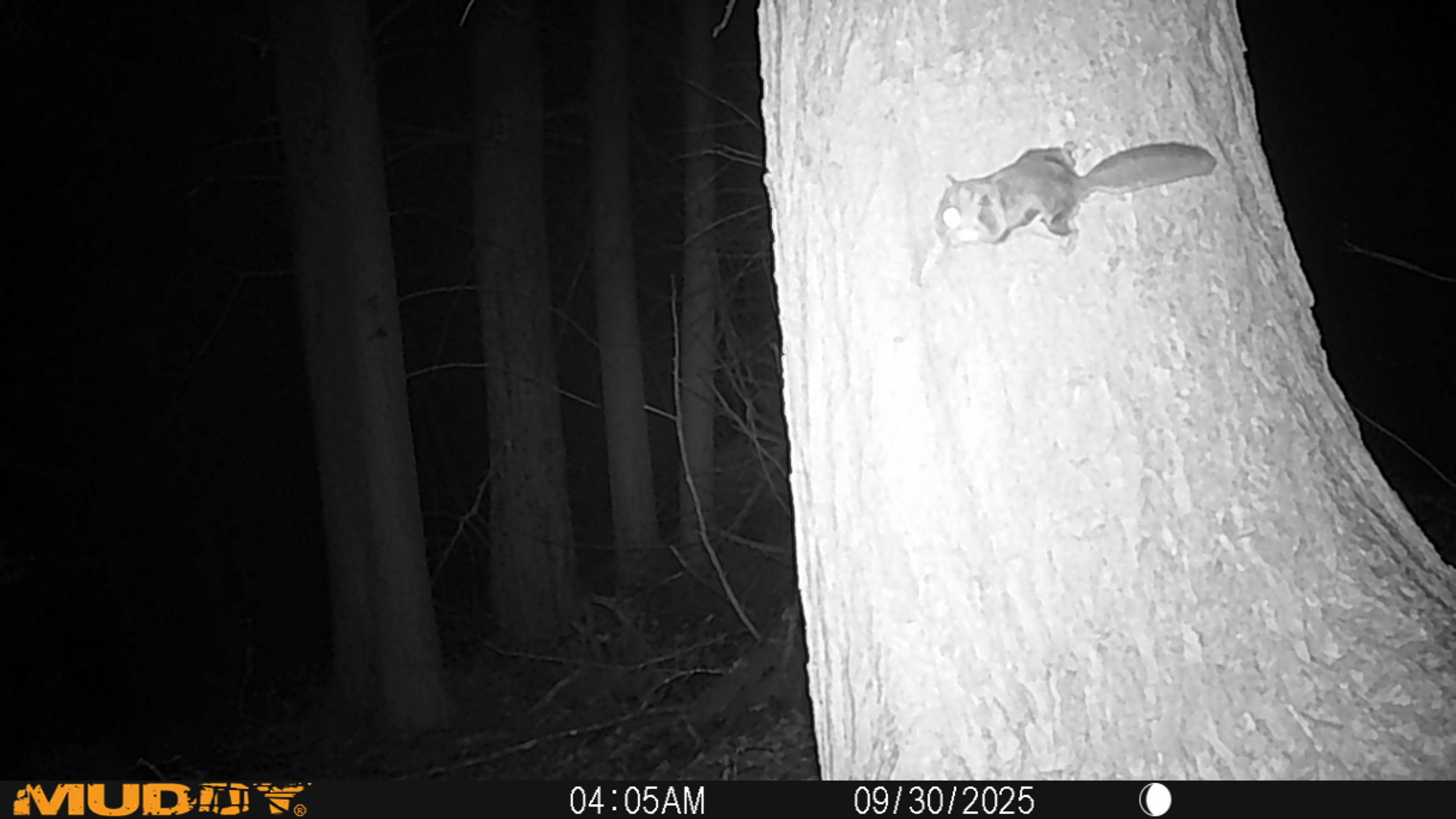
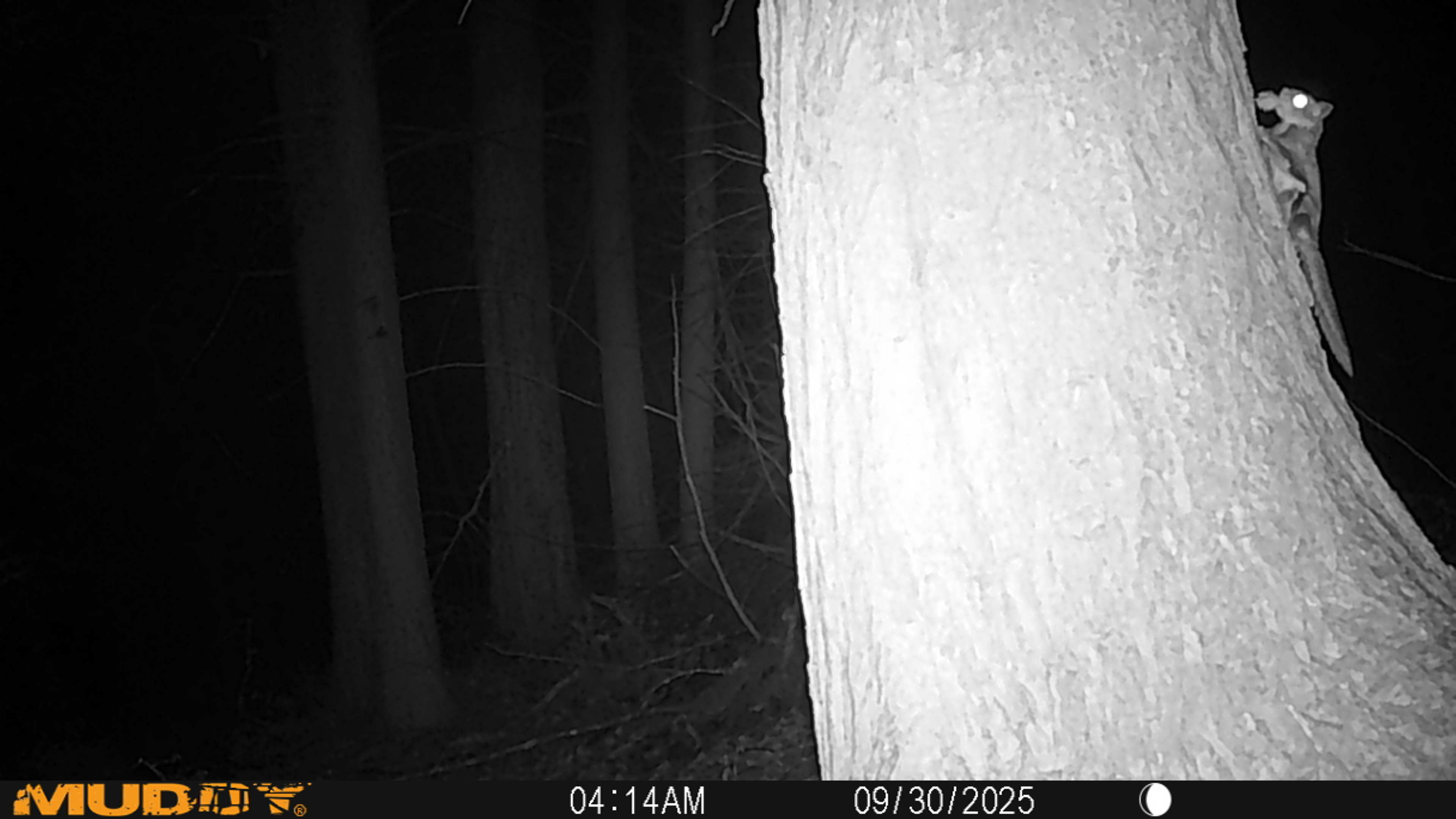
Now, when I see any nighttime trail cam photo without a deer in it, I immediately start looking for flying squirrels. Anyway, this year I got some decent (in focus) photos of a flying squirrel. Check them out:
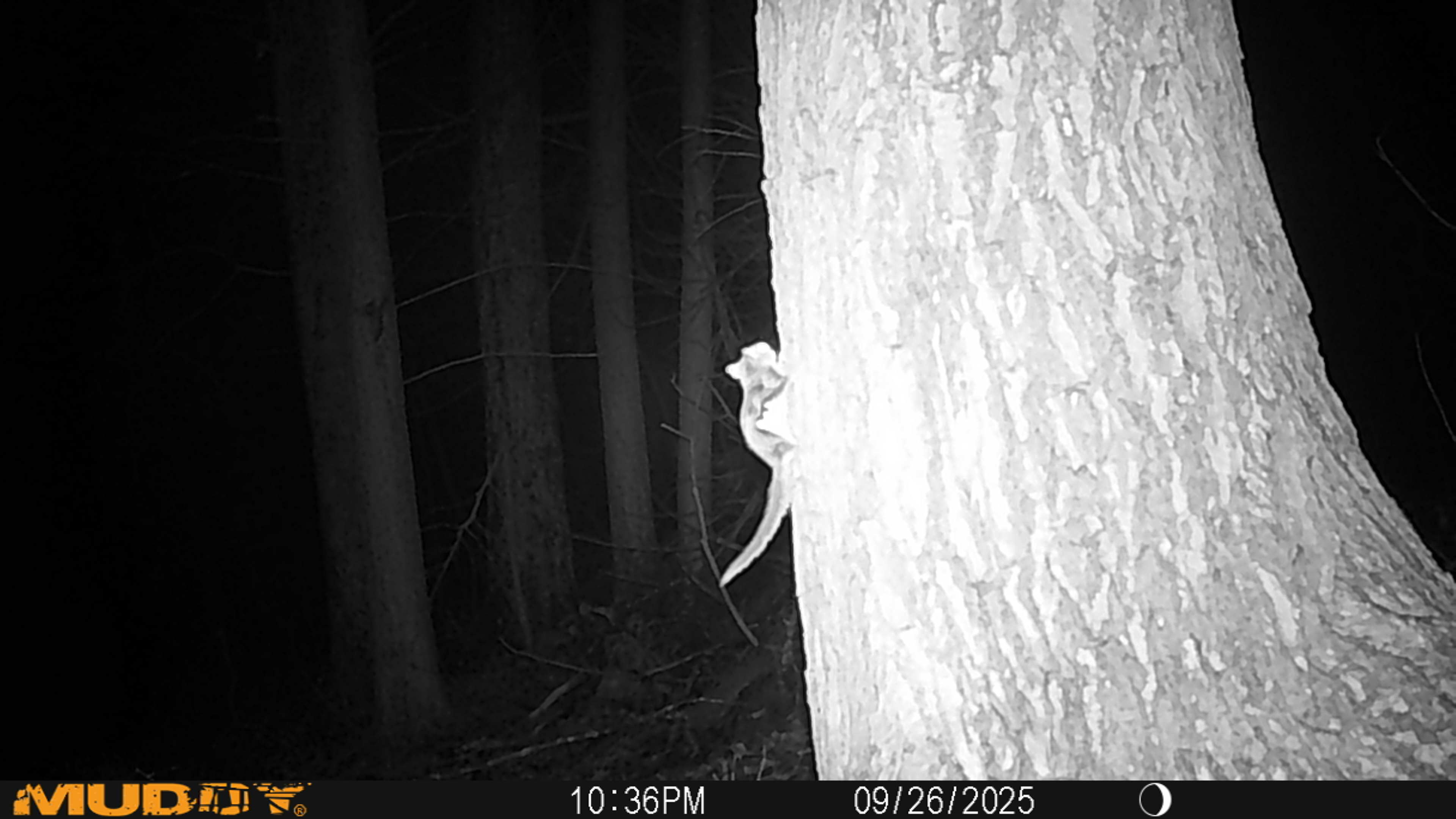
I didn’t know anything about flying squirrels other than they appeared to be nocturnal. So, I decided to do a little research. Here’s what I learned:
- New York State has two species of flying squirrels, northern and southern. Their distribution overlaps, but southern flying squirrels are mostly south of the Mohawk River Valley.
- Yes, they are nocturnal!
- Northern flying squirrels prefer coniferous and mixed forests, but they also live in deciduous forests.
- They should be named Gliding Squirrels to better reflect their airborne locomotion.
- They have large flaps of skin called patagia (patagium singular) that stretch tight into ‘wings’ when they extend their feet.
- They are somewhat carnivorous. Otherwise, they eat squirrelly things. You know, lichens, conifer cones, seeds, buds, nuts, fungi.
- The average adult flying squirrel weighs 2 ounces. An adult gray squirrel might weigh 24 ounces.
- Average litter size is 2-4.
- Baby flying squirrels weigh 0.2 ounces. Their eyes open after 32 days and they nurse until Day 60.
- Adults can survive at least 4 years.
References:
- Northern Flying Squirrel. SUNY ESF webpage
- Squirrels of New York. A pamphlet from the New York State Department of Environmental Conservation. February 2002.