What are some pros and cons of leaving a woods alone or actively managing it? Active management being where a landowner carries out activities to reach a desired goal. Let’s look at some examples of each. After checking those out you can decide what the pros and cons are.
EXAMPLES OF ACTIVE MANAGEMENT
- Planting trees to create a young woods in an area of ash trees that all died from Emerald Ash Borer (EAB).
- Cutting down trees in a one-acre patch cut to create young woods to provide habitat for rabbits, ruffed grouse and some warbler species that don’t live in a more mature woods.
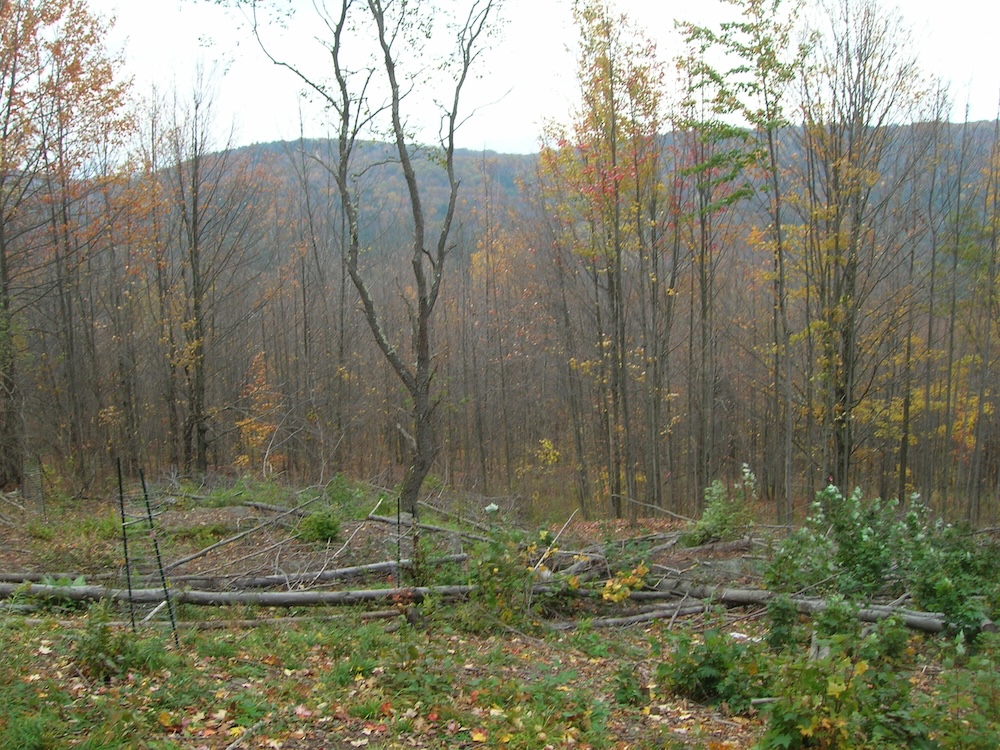
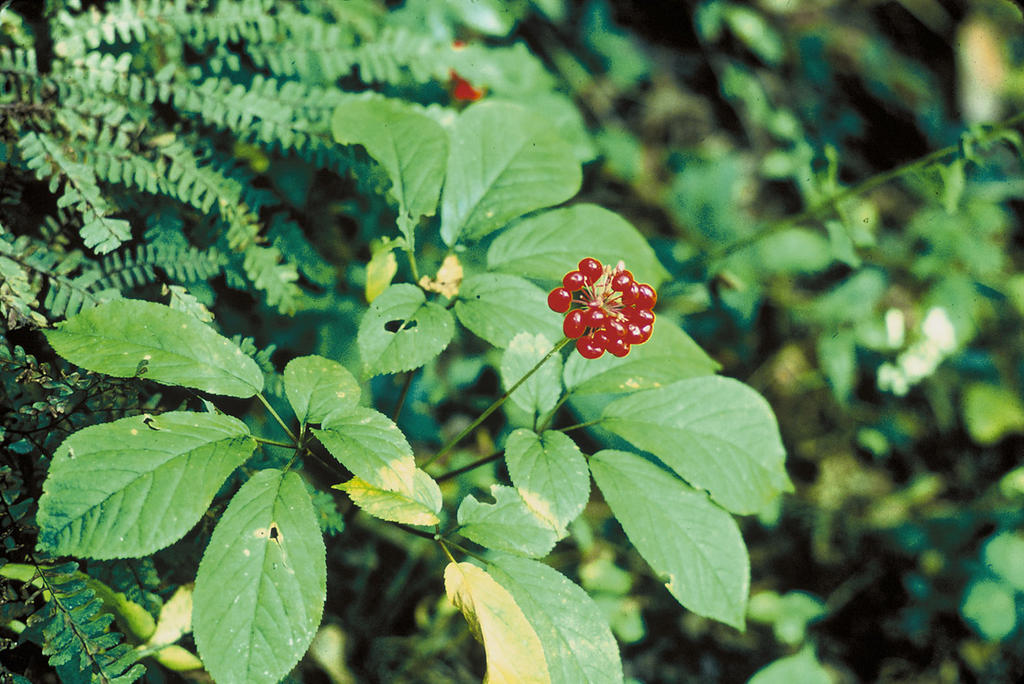
- Cutting out some trees to create the right amount of light to allow ginseng to grow and thrive.
- Thinning out poor quality trees to give room for the future sawtimber trees to grow at an increased rate and keep their health. This is called Timber Stand Improvement or TSI.
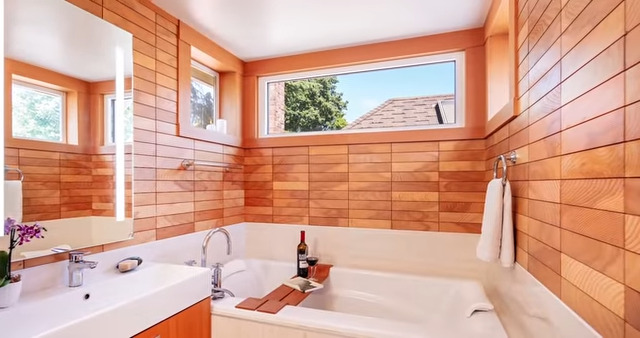
- Harvesting mature sawtimber trees to provide lumber for framing, cabinets or flooring. Their removal is also providing space for other trees to expand their crowns into, which helps them grow faster and remain healthy.
- Thinning a stand to promote the growth of larger trees and help move the stand towards an old growth look and feel.
EXAMPLES OF WHAT CAN OCCUR NATURALLY IF A WOODS IS LEFT ALONE
- Emerald Ash Borer, an ice storm or blowdown may destroy trees. This is true in a managed woods too.
- As the woods matures, many trees die due to losing the competition for space and light.
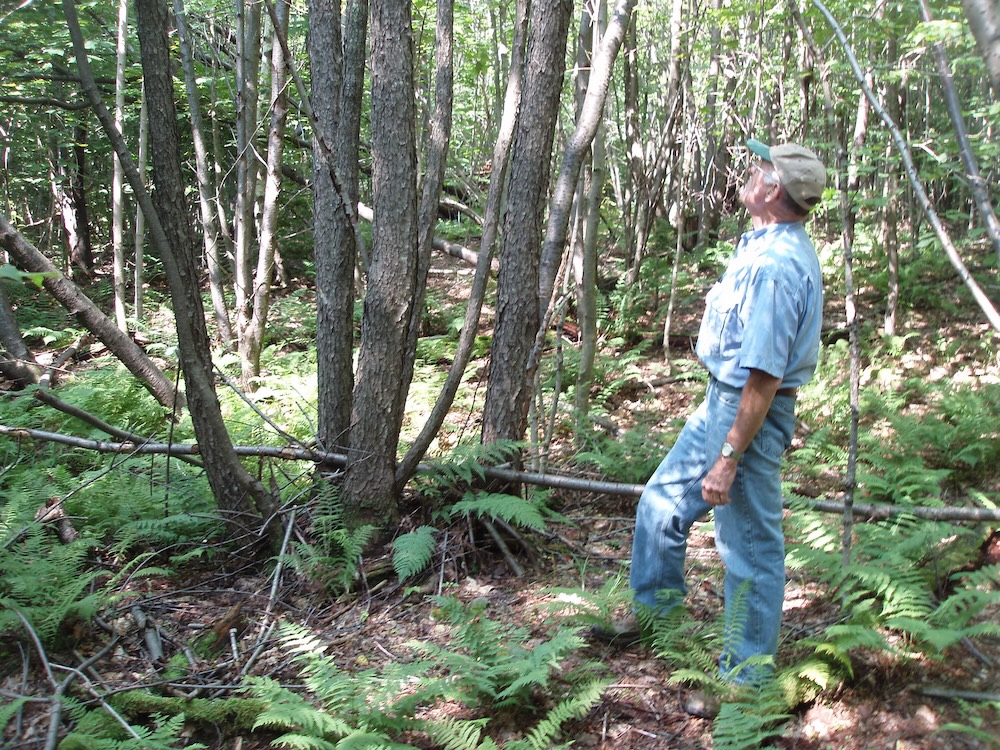
- As the trees grow and mature, shade increases in the understory. The deeper shade can restrict the growth of ginseng.
- Trees that have space and light get bigger and bigger. Those that don’t have enough space and light grow more slowly or die.
A KEY SIMILARITY:
In both an actively managed woods and a woods left alone, a key change is the many hundreds to thousands of trees that die as the woods moves from a sapling stage into a mature sawtimber stage. This can happen more gradually in a woods left alone. Tom Pavlesich talks about this transition, called forest succession, in his blog Weeding a 100-Year Garden.
SOME DIFFERENCES TO CONSIDER:
- In an actively managed woods, there is the ability to control what trees are saved for the future. This can mean more income over time to use towards taxes and other costs of owning property.
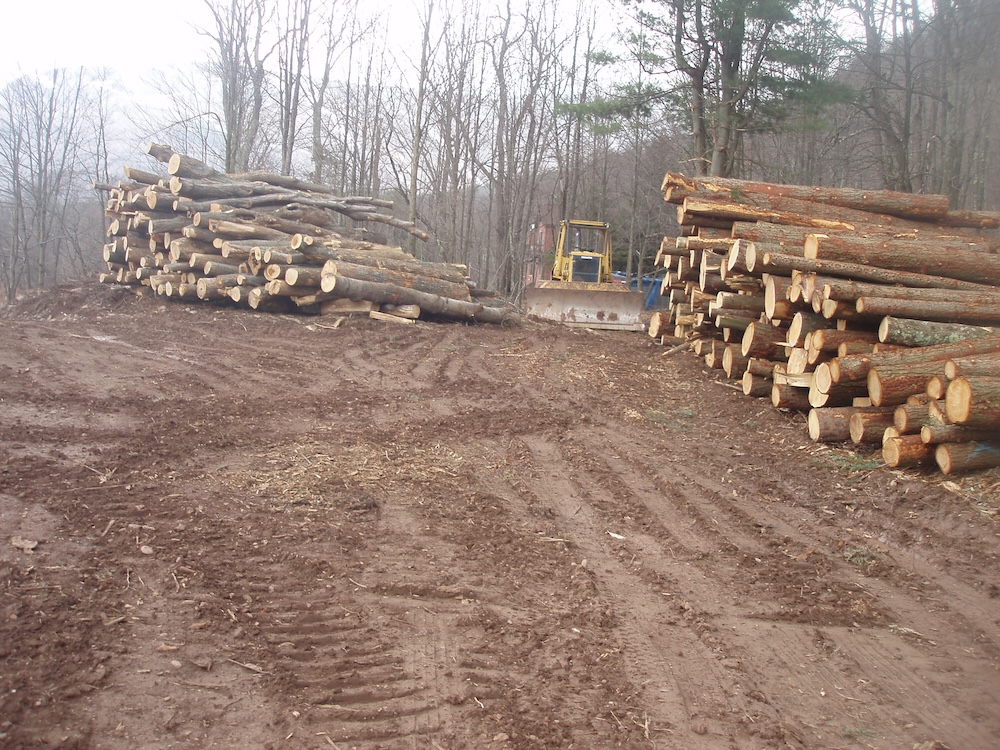
- Actually walking in each type of woods can help you see and feel the difference. Here are some options for doing that.
- Left alone woods.
- Walk in a wooded area of a local park or preserve. (Link to West Branch Preserve in Hamden NY)
- Take a hike in New York State’s “forever wild” state land in the Catskills or Adirondacks.
- Actively managed woods.
- Walk a state forest. Here is a map of New York State land trails.
- Check with a neighbor who actively manages their property about walking it.
- Sections of the Finger Lakes Trails.
- Left alone woods.
So, which is better? You need to decide. Trees die in either choice, but the actively managed woods gives you better control of the outcome.