You hear about the wildfires raging through the west burning thousands of acres. Spending thousands of dollars on thinning overgrown stands can help control wildfires. What if we had another tool? Some people have speculated aspens slow wildfires. A study based on twenty years of research in the southwestern US now verifies that speculation. It shows that the more aspen you have the slower the fire spreads.
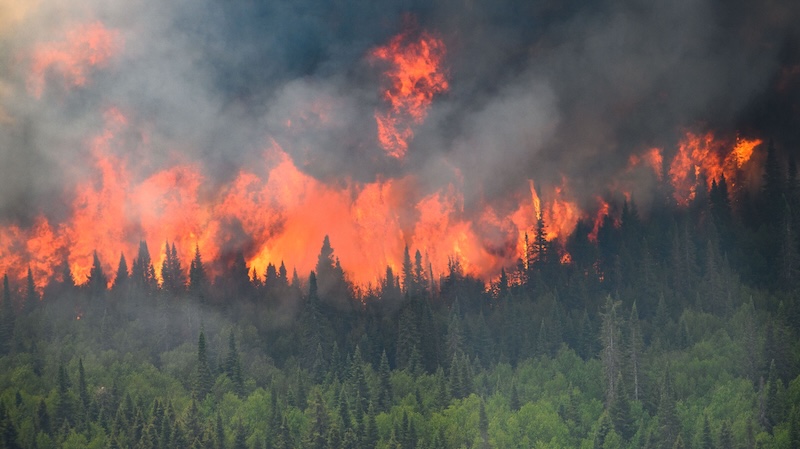
- Where aspen cover was less than ten percent the average daily fire growth was approximately four square miles per day and linear spread was one and one third mile per day.
- Where aspen cover was greater than twenty-five percent the average daily fire growth was one and one half square miles per day and linear spread was eight tenths of a mile per day.
That is around three times less area burned per day and one-half mile less linear spread. These effects of aspen persisted over all weather conditions and terrain.
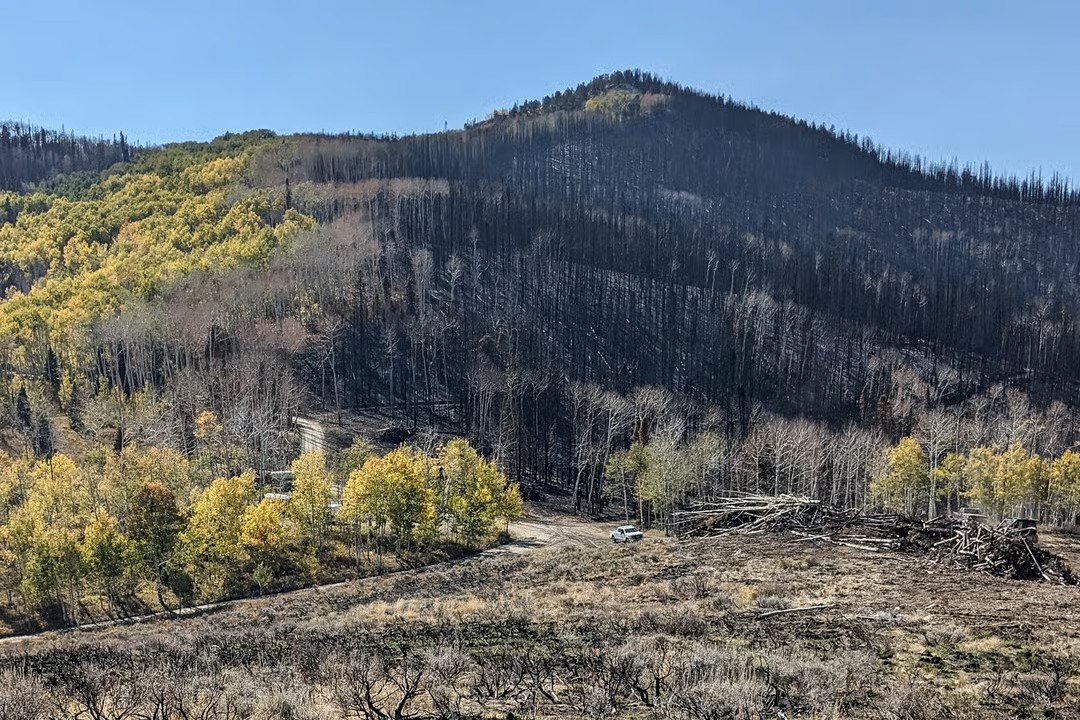
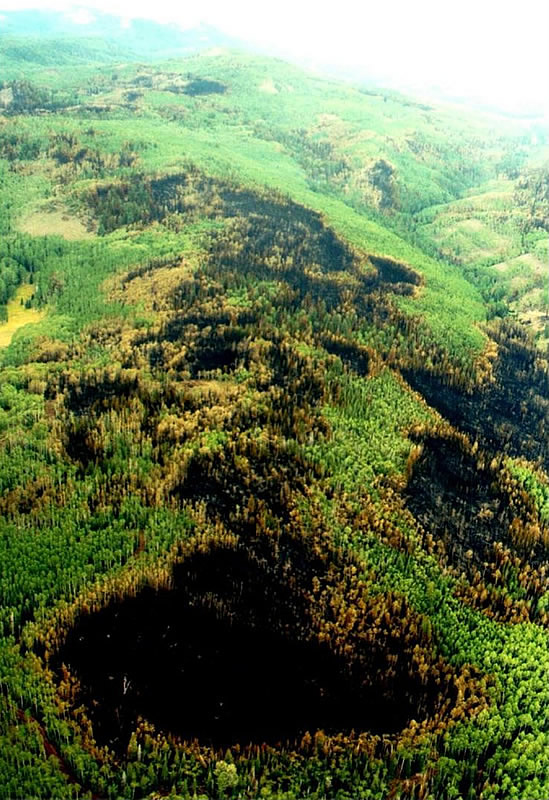
The research also showed that aspen is a barrier to fire spread. There was a higher proportion of aspen cover at fire perimeters than in burn interiors. Meaning there is a connection between where the fire stopped and the presence of aspen.
So, aspen groves can become a forest vegetation type used strategically by land managers in areas where fire becomes more of a hazard like the forest around cities or where lone houses exist.
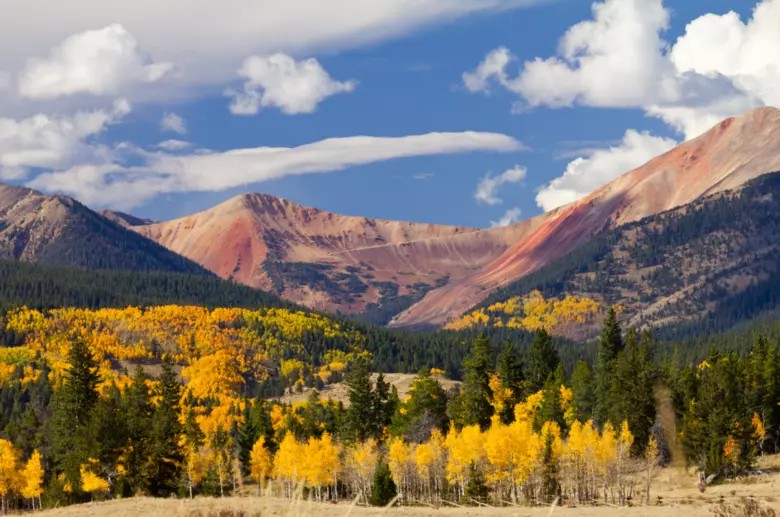
Matt Harris, a forest fire researcher, got to see how an aspen stand stopped a fire. He watched as a crown fire moved through conifers and then met an aspen stand. He said the fire dropped from the crowns down into the understory and kind of fizzled out.
So, what makes an aspen stand more resistant to fire?
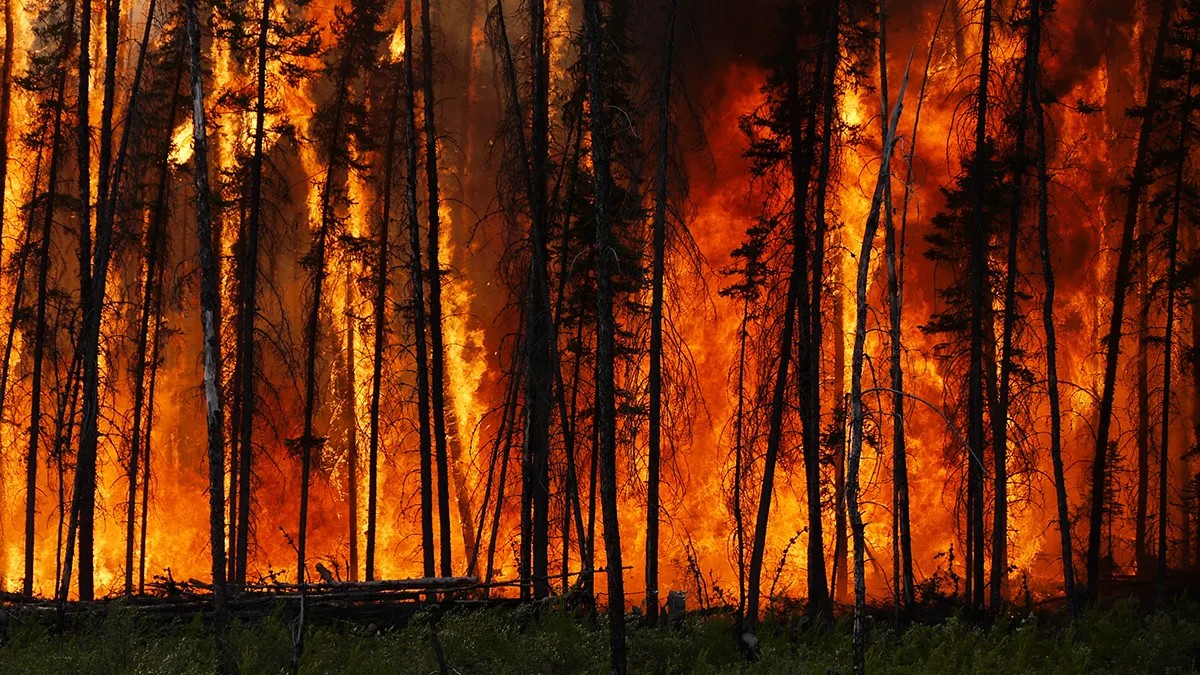
Spruce characteristics
Stands are drier
Tree limbs create a ladder that fire climbs
Needles contain flammable resin
Understory of flammable needles
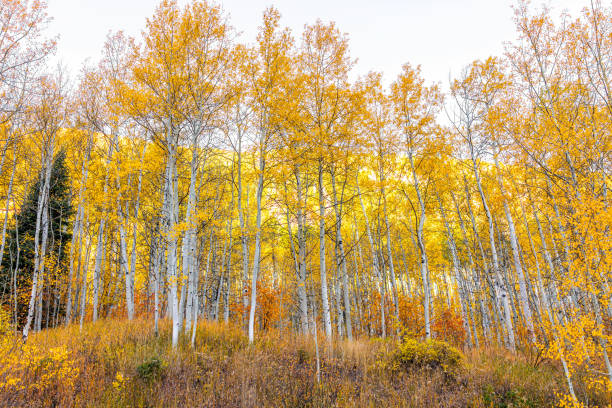
Aspen characteristics
Stands have higher moisture content
Trees self-prune so no lower branches
Leaves don’t easily burn
Understory less flammable
These benefits of aspen as well as other deciduous trees have led to planting of deciduous trees around cities that are fire prone in Canada. Aspen is a disturbance-prone species and so well suited to move into a recently burned area.
Aspen groves aren’t the one-stop answer to controlling wildfires. However, they are part of a suite of options that can help us address fire in western forests.
The information for this blog came from this article.