Do you know a vacant lot in your city, town or village or even in the countryside? Would you like to see a mini woods take it over? Here is a method that Akira Miyawaki developed in the nineteen-seventies to establish woods that reach maturity in a shorter period of time than naturally. How does it work?
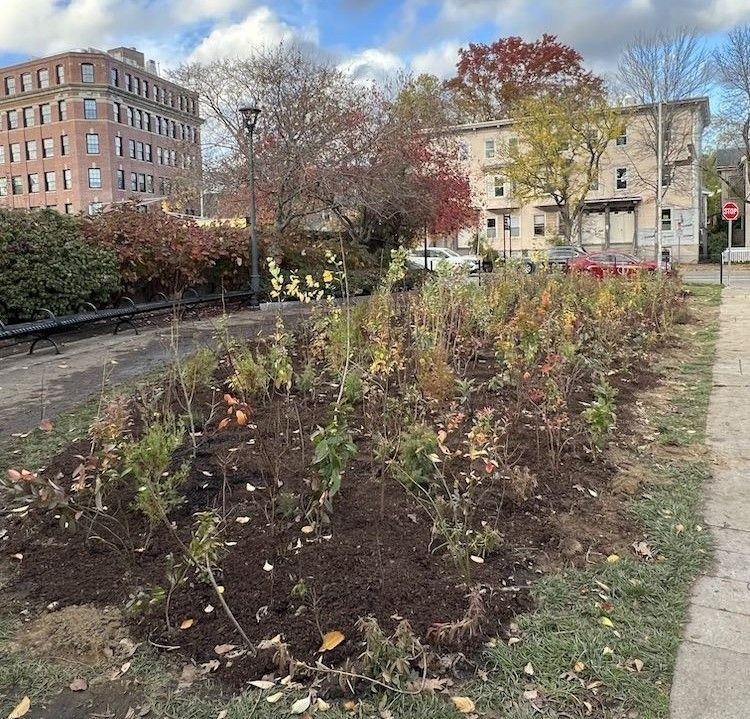
Let’s check out a Miyawaki mini woods planted in Danehy Park, Cambridge near Boston Massachusetts in the fall of Twenty Twenty-One to find out.
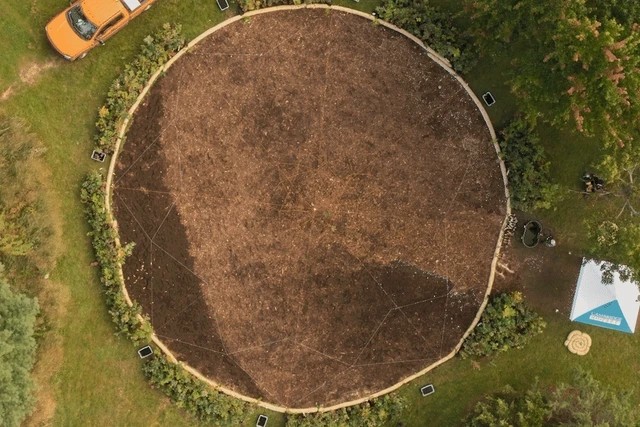
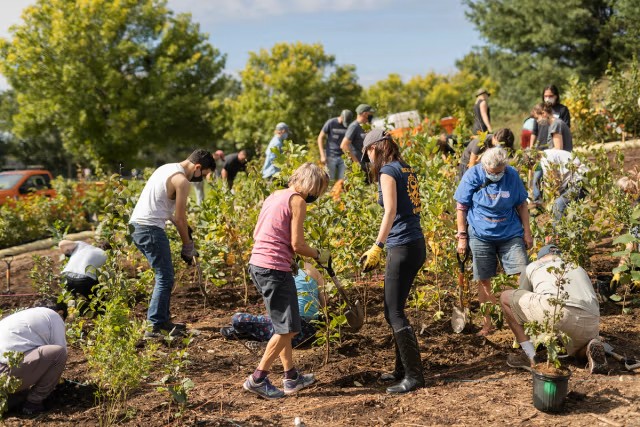
Having good soil is very important for good tree growth. Soil amendments are added to enrich the soil.
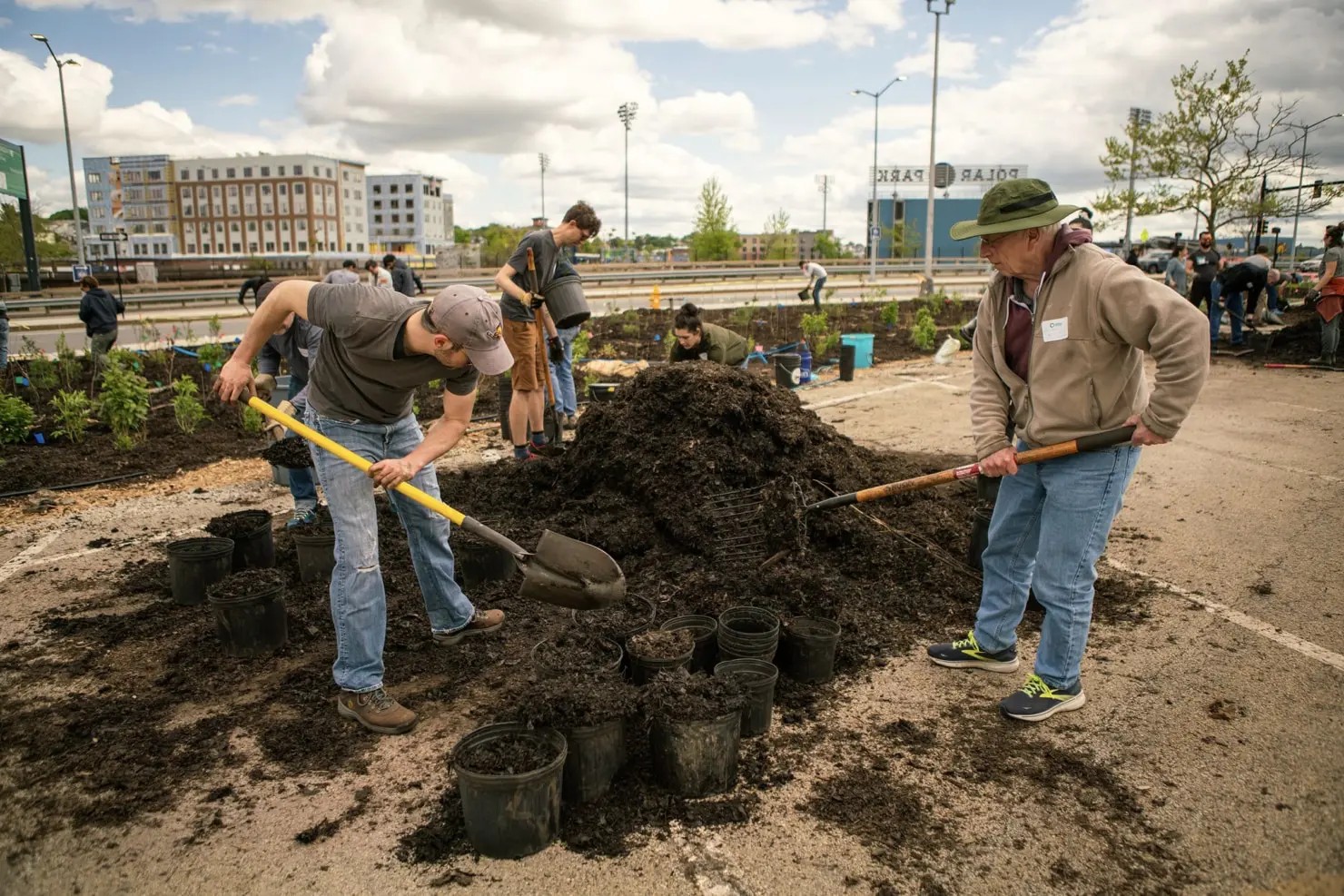
Trees are planted close together (two trees per square yard) to promote fast height growth. There were thirty-two species of native trees planted in one tenth of an acre.
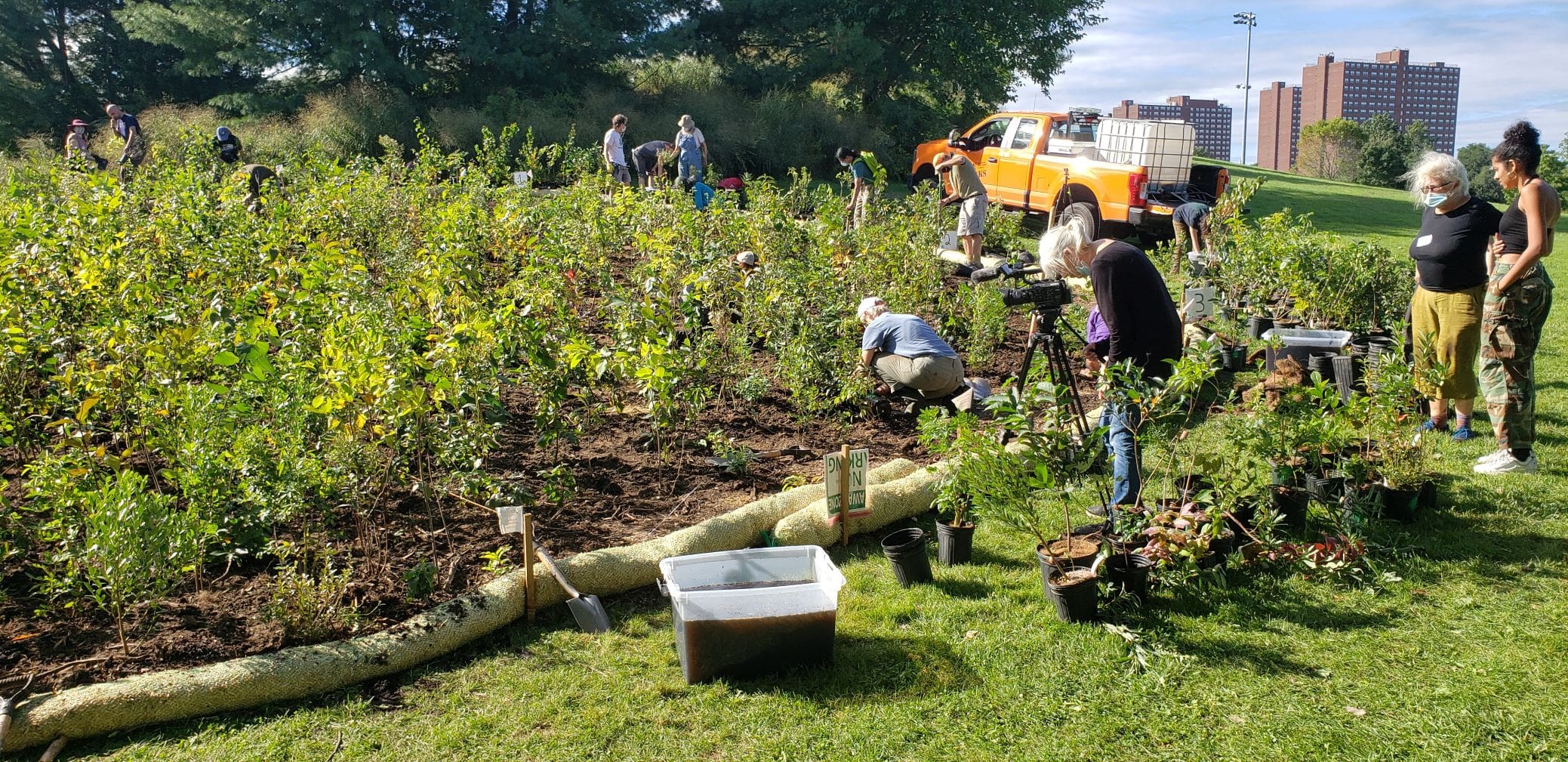
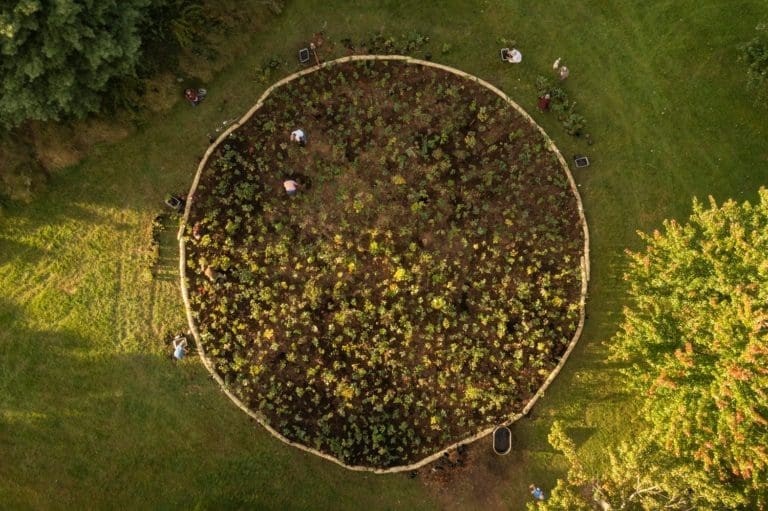
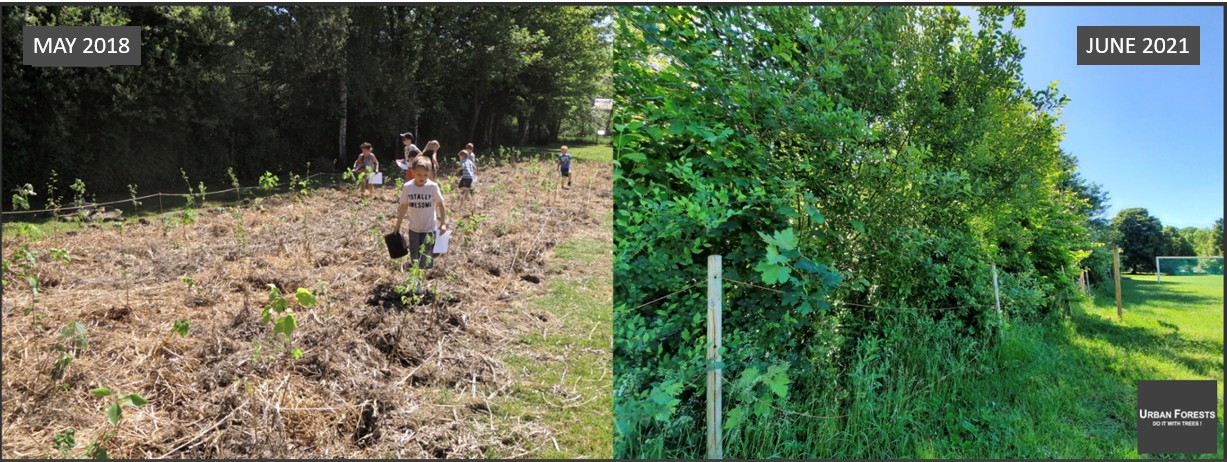
The mini woods needs to be weeded for the first one to three years to make sure the trees survive. This lack of weed competition and good soil nutrients increase the trees growth rate.
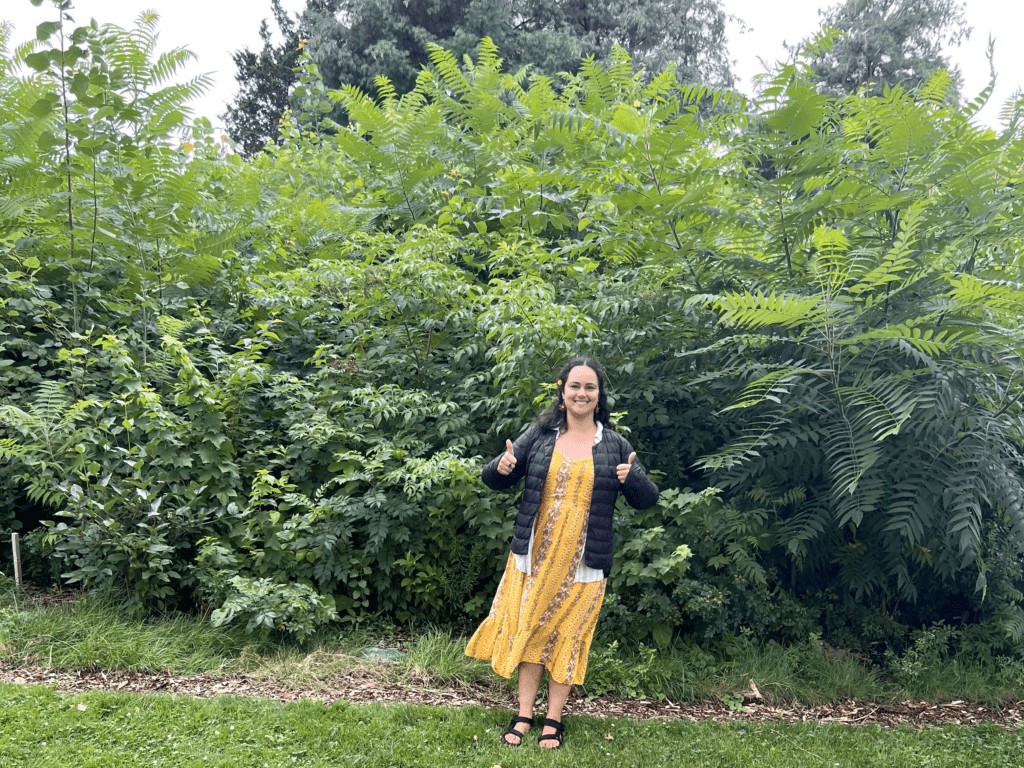
At the two to three year mark the tree canopy closes and weeding isn’t necessary due to the complete shading. The woods can be left to develop on its own.
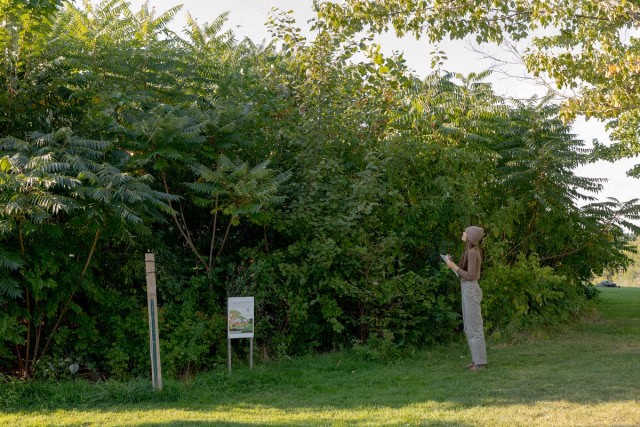
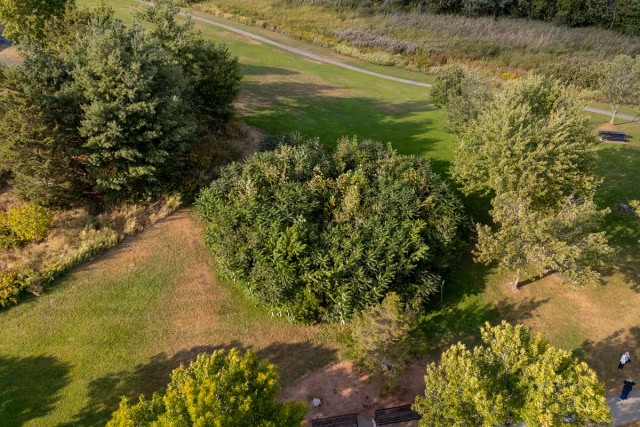
The Miyawaki mini woods has multiple layers which creates greater diversity and supports greater wildlife habitat.
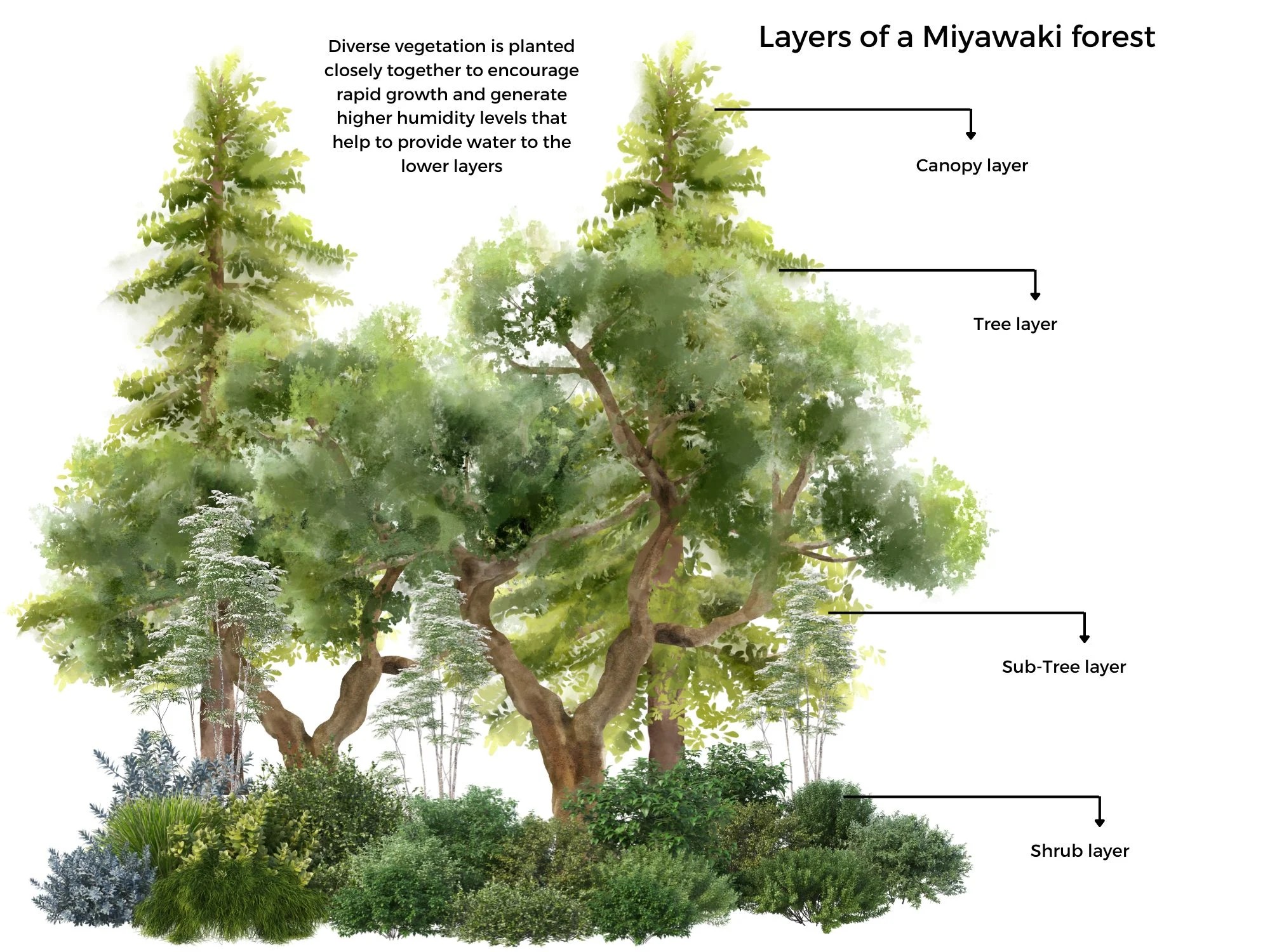
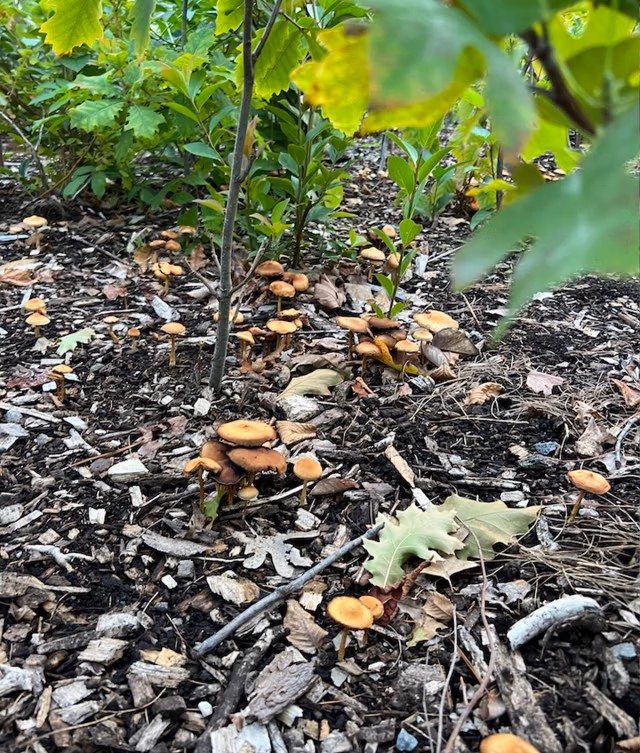
Every layer has its benefits. Shading created by the layers allows a moist ground level which is a good environment for mushrooms.
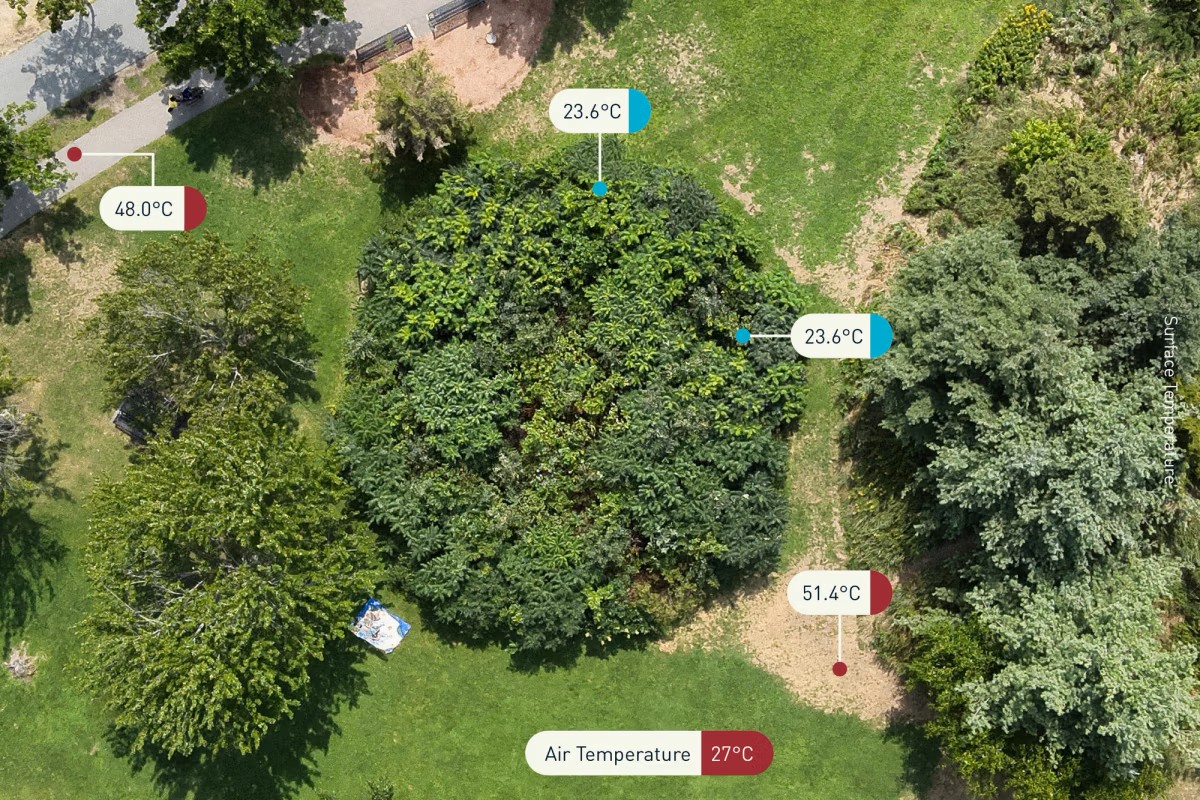
That shading cools the mini woods in summer compared to the surrounding area as noted in the photo below.
What sets a Miyawaki mini woods apart from other plantings?
- Use of only native plants called Potential Natural Vegetation (PNV).
- Rich soil created through soil additives like biochar, manure, organic matter, and compost tea.
- Dense planting – two plants per square yard or ten thousand per acre.
- Diverse multi-layered woods.
- Faster tree growth due to rich soil and added mycorrhizae fungi.
- Self-sufficient in two to three years.
- Goal is to rapidly become a climax forest.
Benefits of a Miyawaki mini-woods:
- Trees grow about 3 feet on average per year. This creates a more mature woods look in twenty to thirty years.
- Due to faster growth and a greater number of trees, more carbon is stored.
- Due to rich soil and trees adapted to the local environment, there is greater survival rates.
- There is greater biodiversity due to the number of species planted and the resulting habitat that attracts more wildlife.
- The native trees used tend to thrive due to being adapted to the area and having resources available that benefit them.
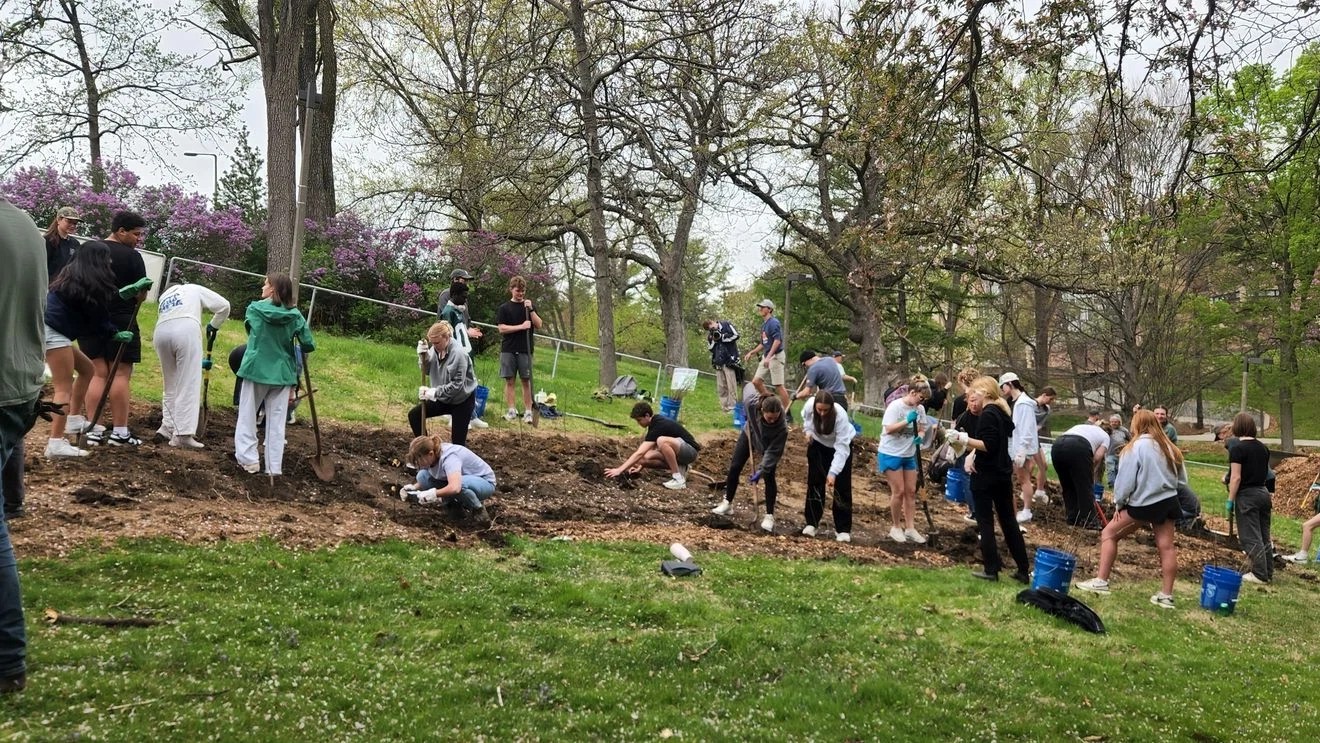
Interested in planting and tending a Miyawaki mini woods in your area? Check this out.
This is where I got most of my information for this blog.