How often do you stop to notice, or even think about, a culvert? In this week’s blog, we take a deeper dive into a simple infrastructure tool that is helping keep forests healthy and watersheds free from unwanted runoff.
Everyone reading this post has crossed paths with a culvert more than once in their life. They can be big or small, well-hidden or obvious, above or below ground, and come in a variety of shapes and sizes. Their design, dimensions, and materials depend on the specific project, the volume of water to be accommodated, and the environment. But no matter which way you slice it, culverts are what stand at the crossroads of water management and road design.
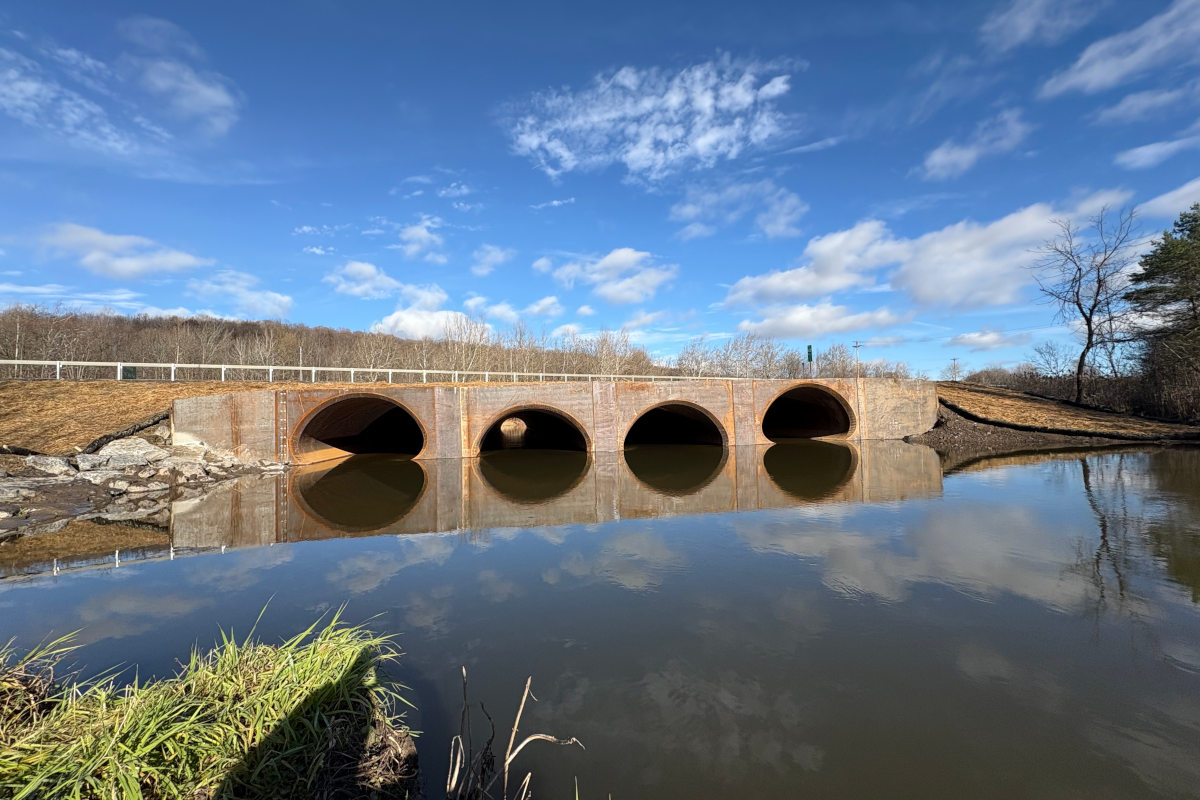
“Using Sliplining to Rehab Culverts in New York”. Photo taken from trenchlesstechnology.com
With origins of the word tracing back to the 1700s, culverts were originally made of brick and were defined as a tunnel that carried a stream or open drain under a road or railroad. Today they are much more than that, used in irrigation, drainage, erosion control, fire safety, wildlife crossings, and bridge design. The building materials used in culverts have also come much further than brick or stone, and are now usually made from concrete, metal, plastic, or sometimes even wood (usually for open-top box culverts).
However, all culverts are not created equal. Whether due to resource constraints, lack of ecological and hydrological knowledge, or carelessness, many culverts are not doing their job. A poorly installed culvert can compromise the stability of a road, be unable to handle the expected water volume, disrupt aquatic species movement, and may not adhere to local regulations.
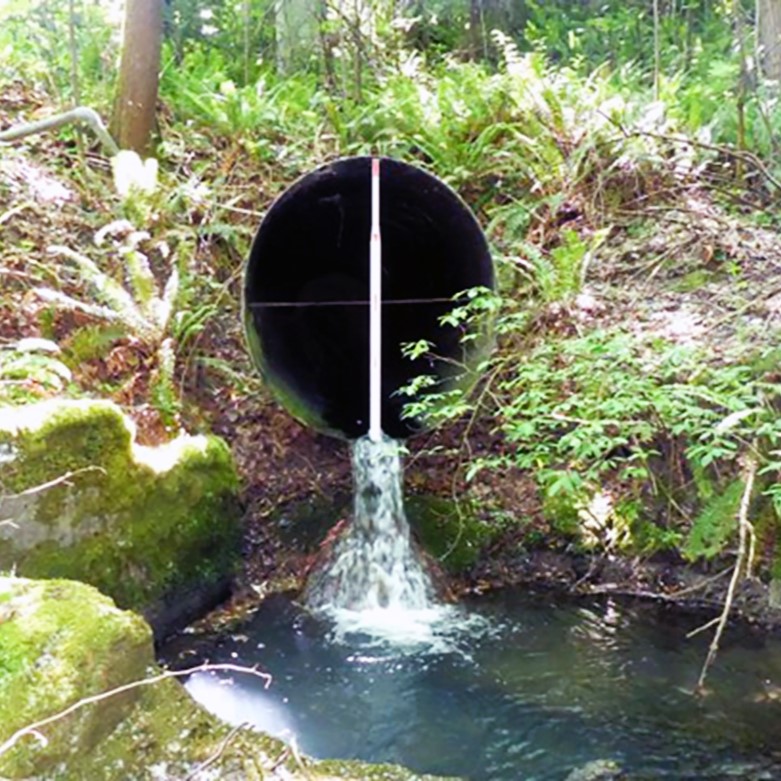
A culvert blocking fish migration beneath I-90 at Sunset Creek, Washington. The culvert is too high for fish to access. Photo taken from engage.wsdot.wa.gov.
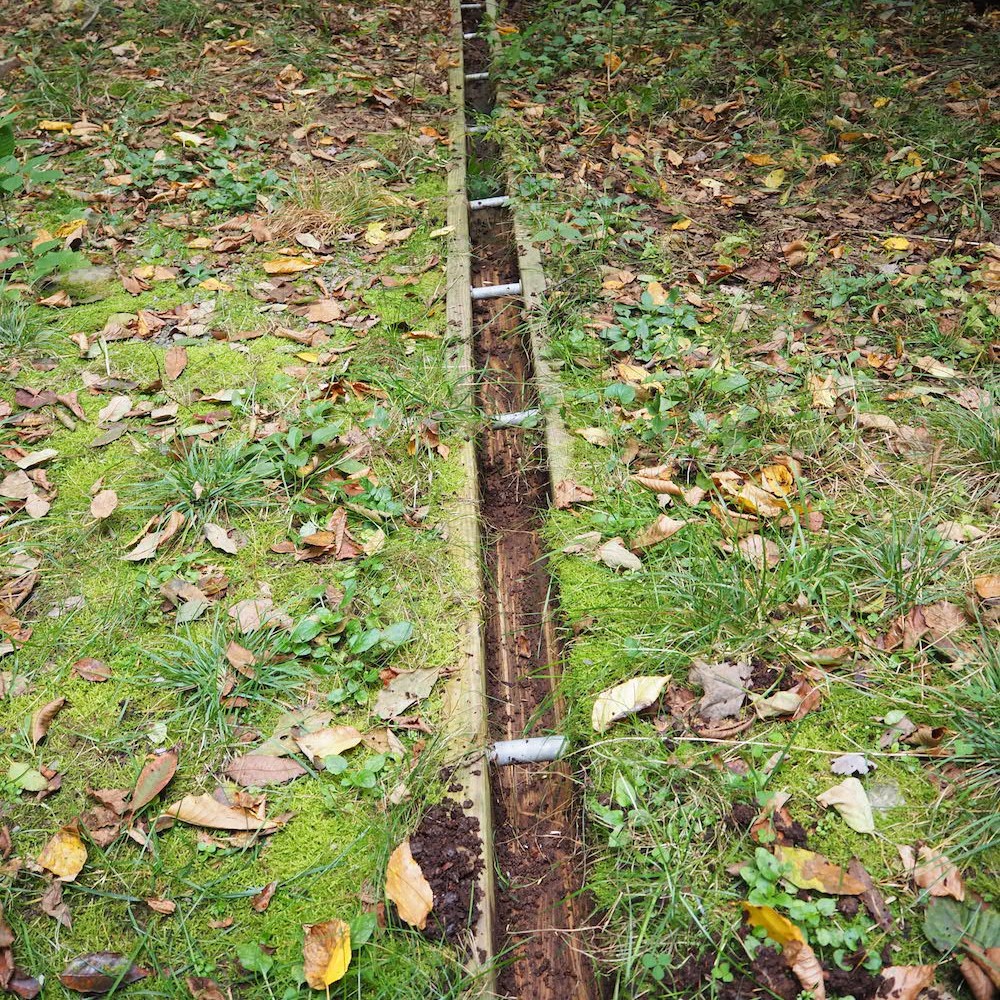
Open-top box culvert at Lennox Model Forest after cleaning. Photo taken by Kris Brown.
Of course, WAC isn’t a transportation organization. For us, we love a good culvert because they are essential pieces of the watershed management puzzle, helping protect land, water, and wildlife by controlling water flow, reducing erosion, and preserving healthy ecosystems. Therefore, it is important that landowners recognize a well-placed culvert as an excellent tool in protecting the long-term health of both their woodlot and the greater NYC Watershed.
Minimizing Erosion
Soil erosion is the wearing away of the upper layer of soil and is considered a form of soil degradation. While soil degradation is often correlated with unsustainable agricultural practices, it is also a problem with forestry operations that do not adhere to best management practices (BMPs). Properly installed culverts are a type of BMP, channeling water in an intentional and controlled manner to prevent it from spreading across a road or trail and causing further damage. By guiding the water through a durable structure like a culvert, you reduce its force and randomness, protecting the soil from erosion and the quality of the water downstream.
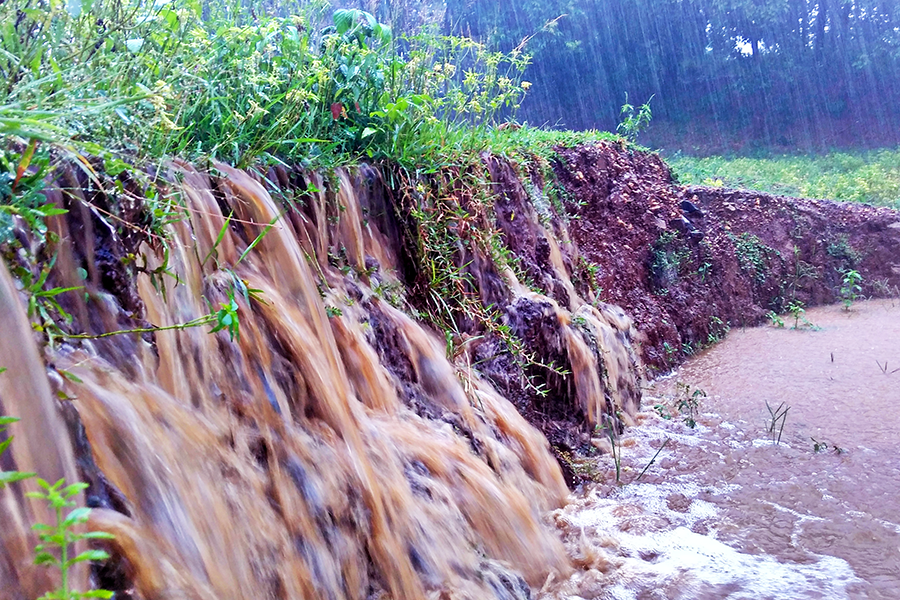
Runoff after storm event. Taken from the Texas Department of Transportation website
As water flows over soil in a watershed, it picks up and carries sediment into streams, rivers, and lakes. Suspended particles in water (also known as turbidity) impact both aquatic life and humans. For aquatic life, it blocks sunlight for underwater plants and can impact oxygen uptake in fish. For humans, it impacts drinking water quality; here in the NYC Watershed, water treatment plants use UV lights to kill water-borne bacteria. However, the more turbid the water is, the more bacteria can hide in the cracks of the sediment particles and avoid the UV light. In this way, the better you control the runoff on your land, whether you have hiking trails, logging roads, mountain biking paths or similar, the more you contribute to clean and high-quality drinking water.
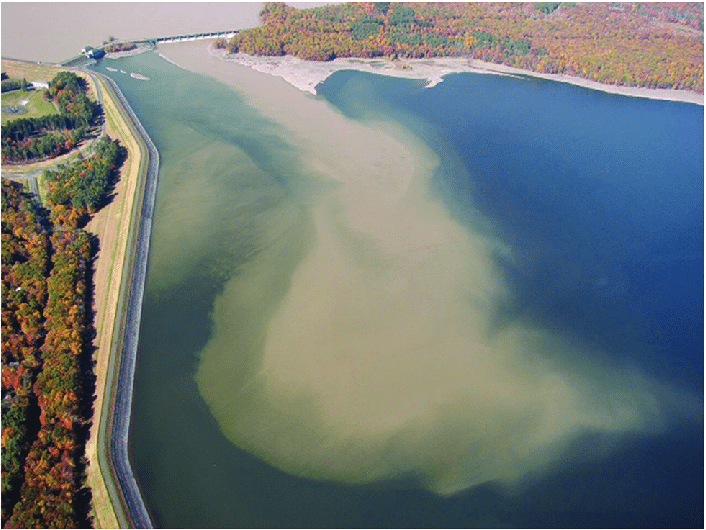
Plume of turbid water entering the east basin of New York City's Ashokan Reservoir following an extreme runoff event. The increase in extreme precipitation events in many regions of the world will decrease UV transparency, the potential for solar disinfection of parasites and pathogens, and increase the cost of effective disinfection of drinking water sources. Photo taken by Randall Hurlbert.
Respecting Hydrological Cycles and Forest Ecosystems
Properly sized and placed culverts also allow heavy rain or snowmelt to flow through an area without it backing up, pooling, or overflowing. This doesn’t just prevent infrastructure from flooding and being damaged but reduces the chance of abnormal ecosystem disturbances.
Disturbance is a part of any ecosystem. In fact, many ecosystems we know and love today evolved with specific disturbance patterns, including rangelands with wildfire and wetlands with flood pulses. However, if large volumes of water are directed into an area that has not evolved to cope with flood stress, vegetation can die impacting habitat quality, food resources, and increase the likelihood of invasive plants taking root. Waterlogged soils are also biologically and chemically different from drier soils, which means standing water can negatively impact soil health beyond erosion. Other issues, particularly with standing water, is increased habitat for mosquito breeding.
Additionally, certain culverts help the natural movement of aquatic species, including fish and amphibians. When these culverts are properly installed, which includes having 50% of the culvert buried under ground, you protect biodiversity and support the ecological balance within the watershed. This is interconnected with hydrological cycles, as helping streams or runoff continue along their natural flow paths through human-made structures preserve the natural drainage patterns of the forest, supporting groundwater and reservoir recharge. Now, who doesn’t want that?

The Family Forest Fish Passage Program in Washington helps private forestland owners replace fish-barrier culverts and other structures that keep trout, salmon and other fish from reaching upstream habitat. Photo: DNR/DFW/RCO/Project Sponsors.
Are you a landowner interested in learning more about culverts, water quality, and Best Management Practices?
Check out some of our other mywoodlot.com resources, including:
- Tips to keep in mind when installing culverts
- How to maintain open-top box culverts
- The benefits of walking your property in the rain
- Getting to know the culvert’s cousin: the waterbar