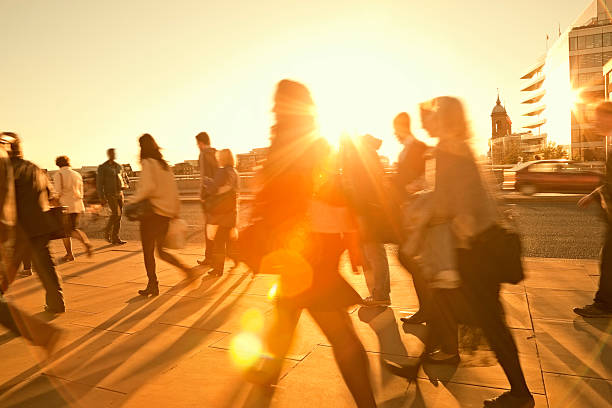
Have you ever stood on a city street corner in the summer with the sun blazing down and sweat dripping down your face and back as you waited for the light to change? I am a shade seeker on those days.
I have found not all shade is created equal!
Which would you rather sit in the shade of on a windless ninety-five degree day with eighty-five percent humidity and the sun beating down? A large tree or the shadow of a building? I pick the tree.
Under the tree tends to be cooler than in the shade of a building. This is due to the cooling effect of the soil under the tree and evapotranspiration from the tree. That big word refers to the trees’ ability to take water up through its roots and evaporate it out of the leaves. This process of water changing to vapor absorbs heat and cools the air around the tree.
Sometimes twenty to forty-five degrees cooler than nearby unshaded areas!
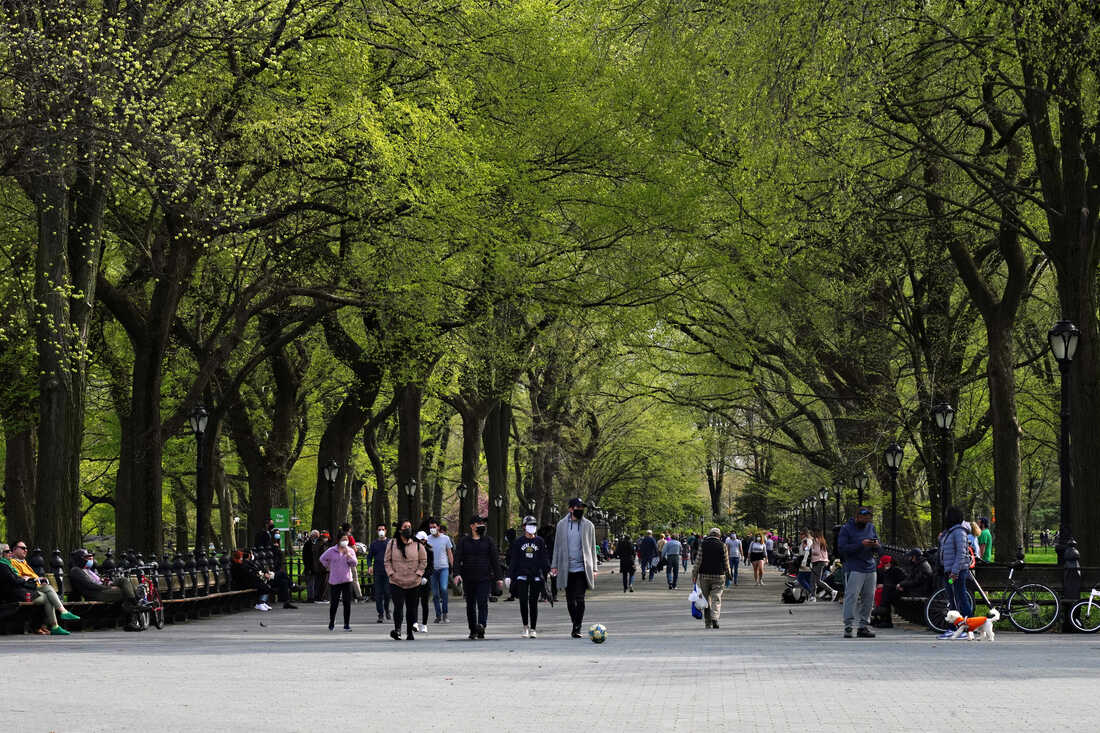
So, trees reduce the overall temperature in cities in the summer, sometimes by ten degrees Fahrenheit!
Trees provide health benefits: Walking in a park, woods or tree lined area
- Improves sleep
- Reduces noise
- Reduces stress
- Provides shade
- Boosts happiness and other mental health
- Increases attention, memory and creativity
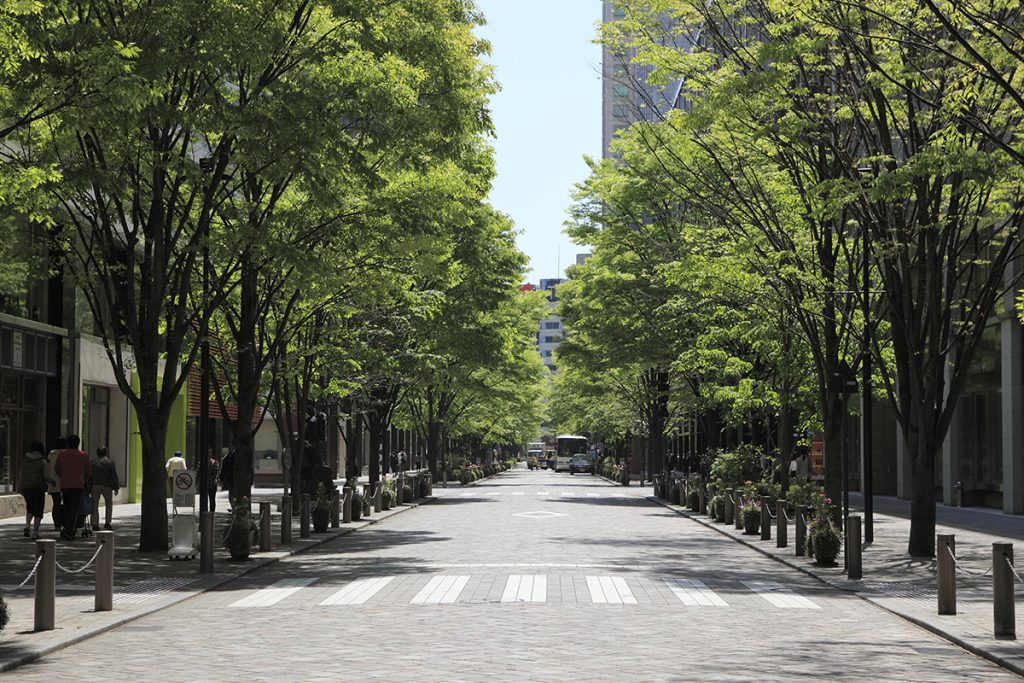
Trees filter the air we breathe. The leaves absorb air taking in ozone and carbon monoxide and removing it from the air like a giant filter. Leaves “catch” particulate matter. Then it is washed off in the next rain so you don’t breath it in. This filtering lowers asthma rates. Greenville, SC, a city of around 75,000, estimates trees filter out over 600,000 pounds of pollution annually.
Trees capture carbon: A tree contains around fifty percent carbon. The trees in Greenville, SC store around 280,000 tons of carbon in their canopy and annually take in 11,000 tons of carbon.
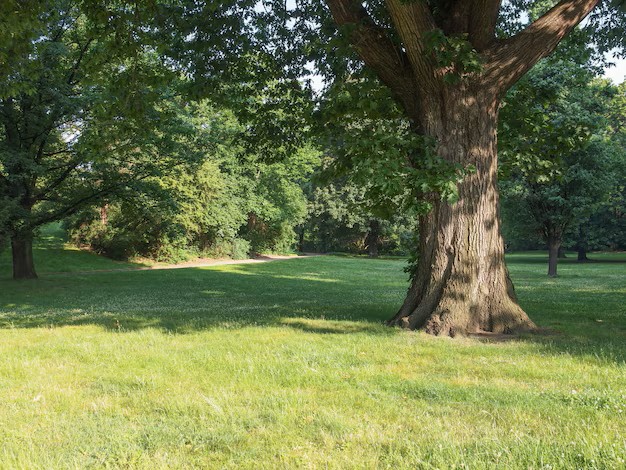
Trees improve water quality: They remove impurities from the water they absorb.
Trees reduce the load on the stormwater system:
- They slow runoff, allowing for the recharging of ground water.
- They intercept rainfall and through evaporation decrease runoff.
Trees create canopy cover for the urban forest: Because trees reduce weather extremes it is beneficial to have more of them in a city. In the eastern US and west coast, most cities have a canopy cover of 35-45%. Midwestern cities in the plains area have a canopy cover of 15-25%.
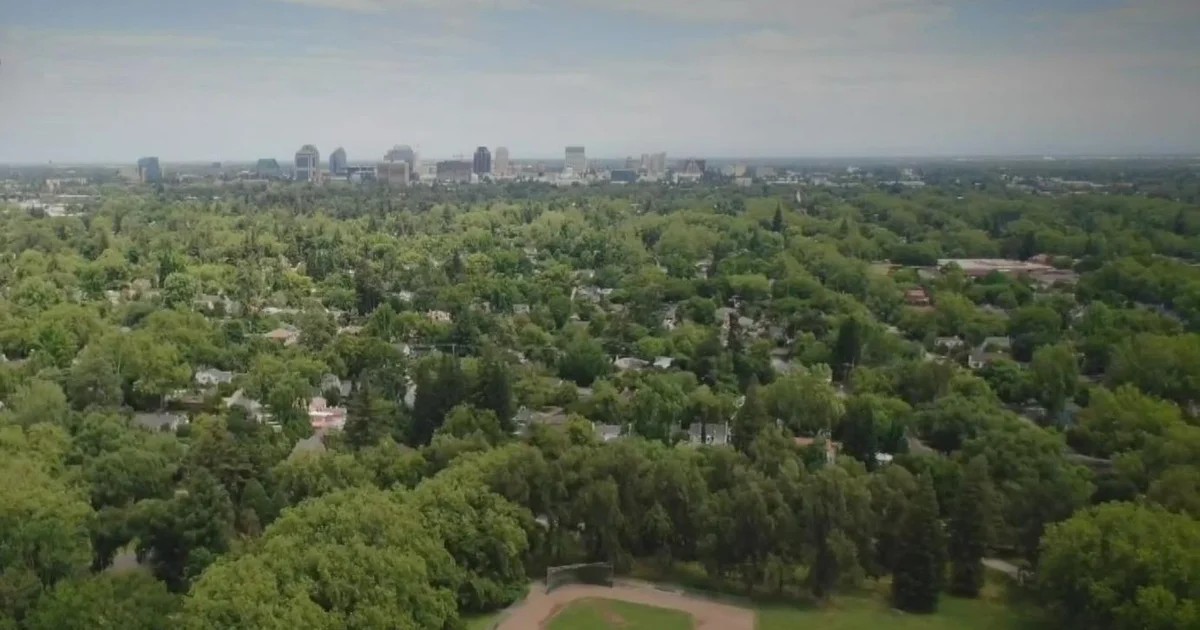
Trees for equity: Poor non-white neighborhoods in cities have less trees. There is actually a correlation between increased tree canopy cover and reduced crime rates as well as improved public health. City managers are starting to remedy this inequity through tree planting programs.
Want to get involved in keeping and growing your cities’ urban canopy? The following resources are a way to get you started.
Information for this blog came from this article and links in it.